i.
書法家
The Calligrapher
逾半世紀
十三歲習書,師承劉財枝、傅茂金。日本書道學院書法大展連續三屆金獎。
Began calligraphy at age thirteen. Three consecutive Gold Awards at the Japan Calligraphy Academy.
十三歲習書,一生未放下筆。
於溫哥華落腳半生,於列治文寫下源海。
A brush since age thirteen, never set down.
Half a lifetime in Vancouver — and one name on a Richmond door: Yuean Hai.
他生長在臺灣東勢的書香世家。父親是古文老師,孩提時他便穿梭在堆滿文房四寶與線裝書的房間裡——筆、墨、紙、硯,是與童年同義的物件。
He grew up in Dongshi, Taiwan, in a household steeped in classical letters. His father, a teacher of classical Chinese, kept rooms heavy with thread-bound books — brushes, ink, paper, and inkstones were the furniture of his childhood.
十三歲開始臨池。十六歲那年,他自買紙筆,鄭重向父親提出要正式學習書法。自此,書法便成為他一輩子的功課。
He began calligraphy at age thirteen. At sixteen, he bought his own paper and brushes and formally asked his father to teach him. From that day on, calligraphy became his lifelong discipline.
早年的路並不順遂——他跟隨當地書法家劉財枝臨摩柳公權小楷與黃自元中楷,數年苦練卻不見突破。一度自創流暢的書體,於市集擺攤替人寫春聯。「看起來瀟灑自如、下筆如流,氣勢挺拔,」他後來如此自評那段歲月,「但自覺結構上虛而不實,難登大雅。」
The early years were not kind. He studied small-script Liu Gongquan and middle-script Huang Ziyuan under local calligrapher Liu Caizhi, drilling for years without breakthrough. He briefly invented his own fluent style and wrote spring couplets at street markets. "Free, sweeping, full of momentum," he would later say of that period — "but structurally hollow. Not yet worthy."
轉折在他遇見傅茂金的那一刻發生——「從隸書開始」這句話,「打通了我的任督二脈。」
The turning point came when he met master Fu Maojin. Begin with Clerical Script, Fu told him. The advice, he says, "unblocked the meridians" of his practice.
一九九〇年,他自臺灣移民溫哥華。一九九四年,於卑詩省創立源海畫框廠——以裱褙的手,繼續寫字的事。一九九七年,增設畫廊,「源海」從一張案台,變成一扇能被推開的門。
In 1990 he immigrated to Vancouver. In 1994 he founded Yuean Hai Framing & Art Gallery in British Columbia — using the hand that mounted to keep writing. In 1997 he opened the gallery wing. Yuean Hai grew from a single workbench into a door anyone could walk through.
中國書法傳統入門法是「以楷為始」,因為「字體近今」。曾淼源在數十年的書寫實踐中得出截然不同的結論。
Chinese tradition starts beginners with Regular Script (Kaishu) — because it "looks closest to modern writing." After decades of practice, Tseng came to a starkly different conclusion.
他承諾:依照《醉墨賦學書法論》之法,從隸書入手,半年到七個月可默寫一種書體。
His promise: follow the method of Drunk Ink, begin with Lishu, and a student can write a full script from memory in six to seven months.
《醉墨賦學書法論》全書示範字帖,皆由曾淼源親筆揮毫。現已將其中 238 個隸書示範字逐筆數位化——原稿掃描、零重繪,點選任一字,即見墨跡依他標注的筆順與筆勢,一筆一筆寫出。
Every model character in Drunk Ink was written by Tseng's own hand. 238 of his Lishu characters are now animated stroke by stroke — from the original scans, nothing redrawn.
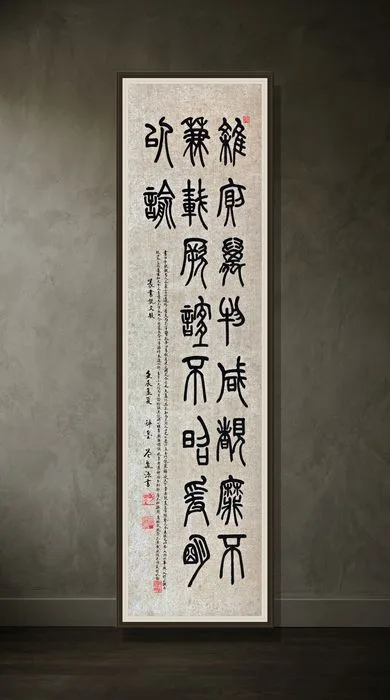
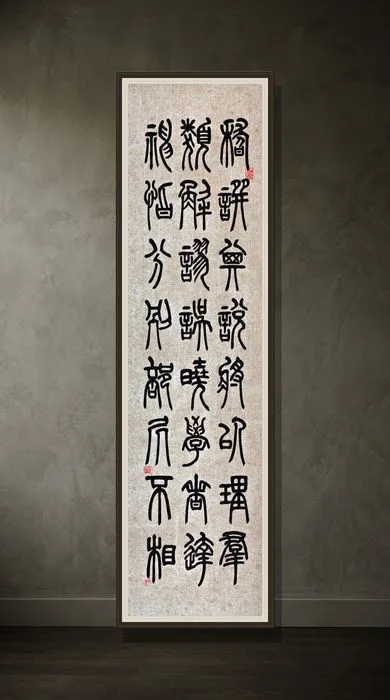
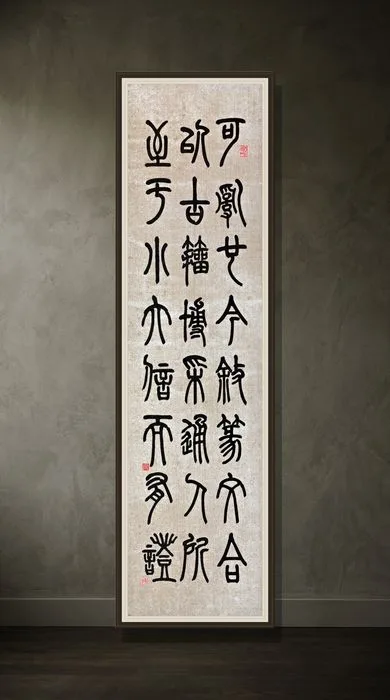
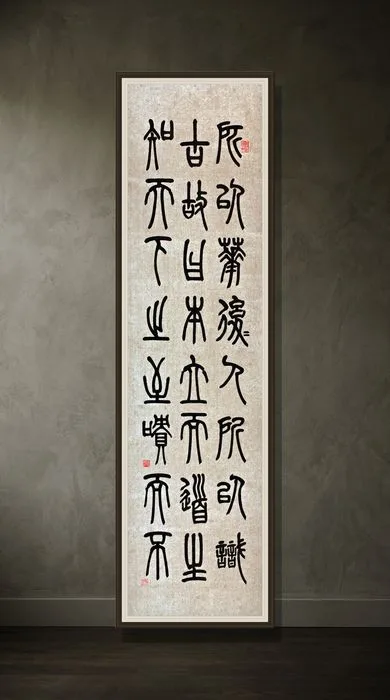
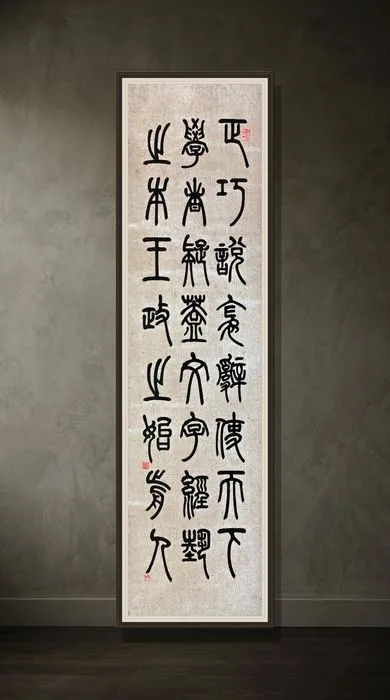
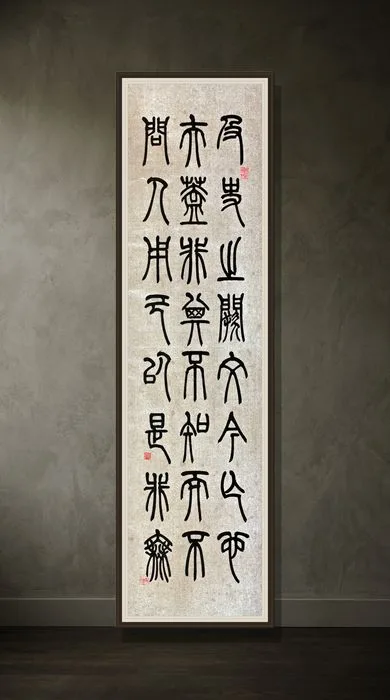
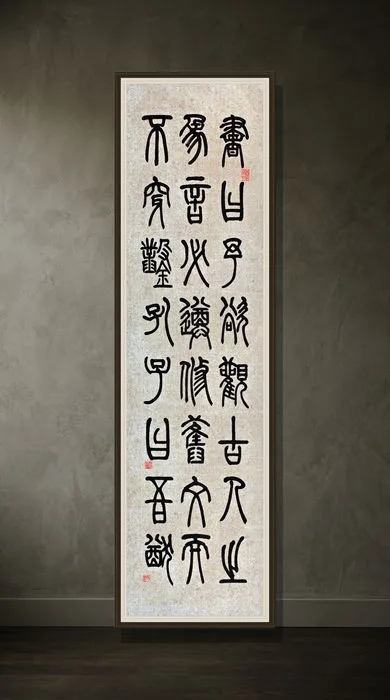
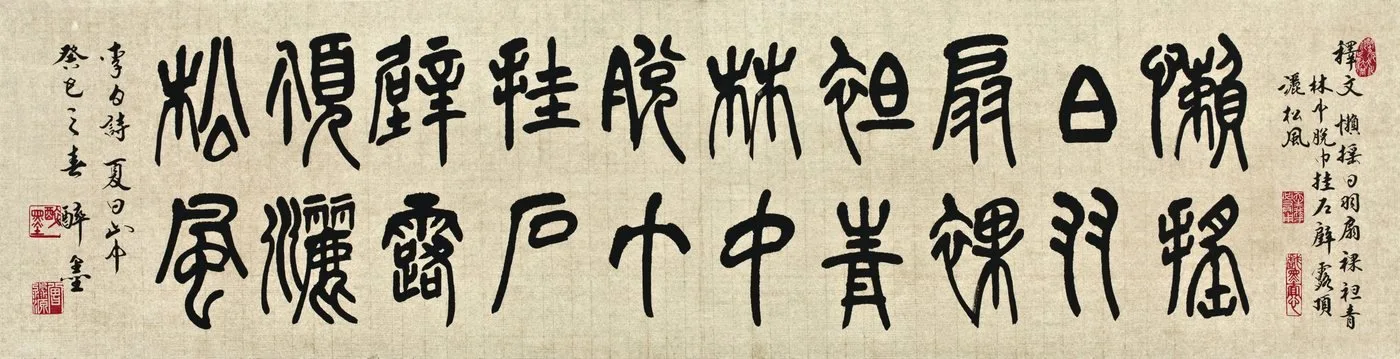
進入習字帖 · Open the Copybook →隸書為入門,篆書則是五體之源。《醉墨賦學書法論》另有一套篆書示範字帖,習字文本取許慎《說文解字敘》節錄——那正是一篇論篆文的古文。此 162 個篆書示範字亦已逐筆數位化,原稿掃描、零重繪;依原文字序排列,通讀即成全篇。
If Clerical Script is where a student begins, Seal Script is the wellspring of them all. Drunk Ink holds a second copybook in seal script — its practice text an excerpt of Xu Shen's preface to the Shuowen Jiezi, the classic treatise on seal writing itself. All 162 seal-script characters are animated stroke by stroke from the original scans, in reading order.
進入篆書帖 · Open the Seal Script Copybook →
甲骨如畫,石鼓如遊牧之拙朴,
小篆古趣,隸書豔麗,
行書傳峰韻,草書宛若蛟龍。
Oracle bone — a painting. Stone-drum — the ruggedness of nomads.
Small seal — antique poise. Clerical — luminous. Running — peaks of a mountain song.
Cursive — a dragon, bending air.
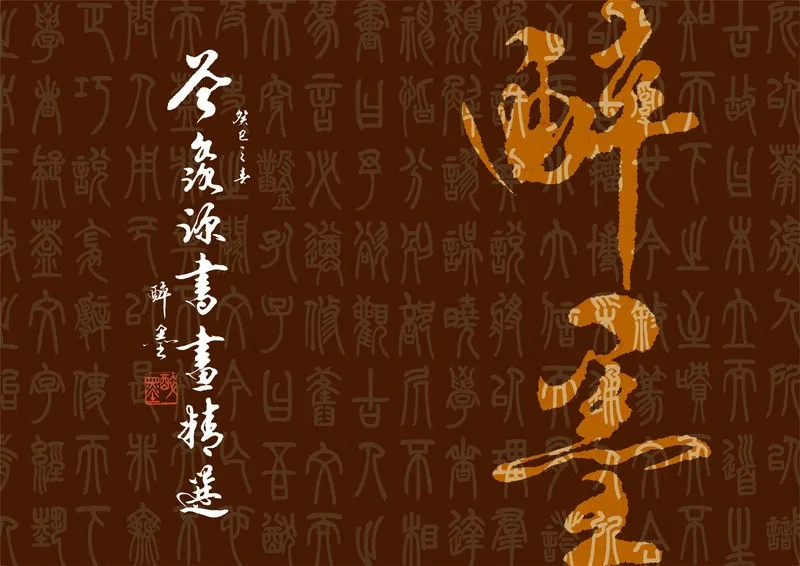
五年沉澱、四十年功底。二〇一三年,曾淼源同時推出兩本書——一冊講「為何如此寫」(《醉墨賦學書法論》),一冊呈現「他寫得如何」(《曾淼源書畫精選》)。理論與實踐,雙軌並行。
Five years of writing, forty years of practice. In 2013, Tseng released two volumes side by side — one explains why the brush moves as it does (On Drunk Ink), the other shows what the brush has done (Calligraphy of Tseng Miao-Yuean). Theory and proof, in matched binding.
On Drunk Ink: A Theory of Calligraphy
二〇〇八年起,曾淼源開始撰寫《醉墨賦學書法論》。耗時五年,二〇一三年出版。全書二百餘頁,系統化剖析甲骨文、石鼓文、小篆、隸書、楷書、行書、草書七種書體的變遷與美學意涵,並結合他逾四十年的筆耕經驗,書中每一個示範字帖,皆由他親手揮毫寫就。
In 2008, Tseng began writing the theoretical volume. Five years later, in 2013, it was published. Across 200+ pages, it traces the historical evolution and aesthetic logic of the seven scripts — oracle bone, stone-drum, small seal, clerical, regular, running, cursive — anchored in over forty years of his own practice. Every example sheet was hand-written by the author.
「書法為藝林之瑰寶,如國之魂。希望《醉墨賦學書法論》一書的完成,能為書道的薪火相傳開一條寬敞之路。」
"Calligraphy is the jewel of the literary arts — the soul of a nation. May this book open a wider road for the next hand to take up the brush."
Calligraphy of Tseng Miao-Yuean
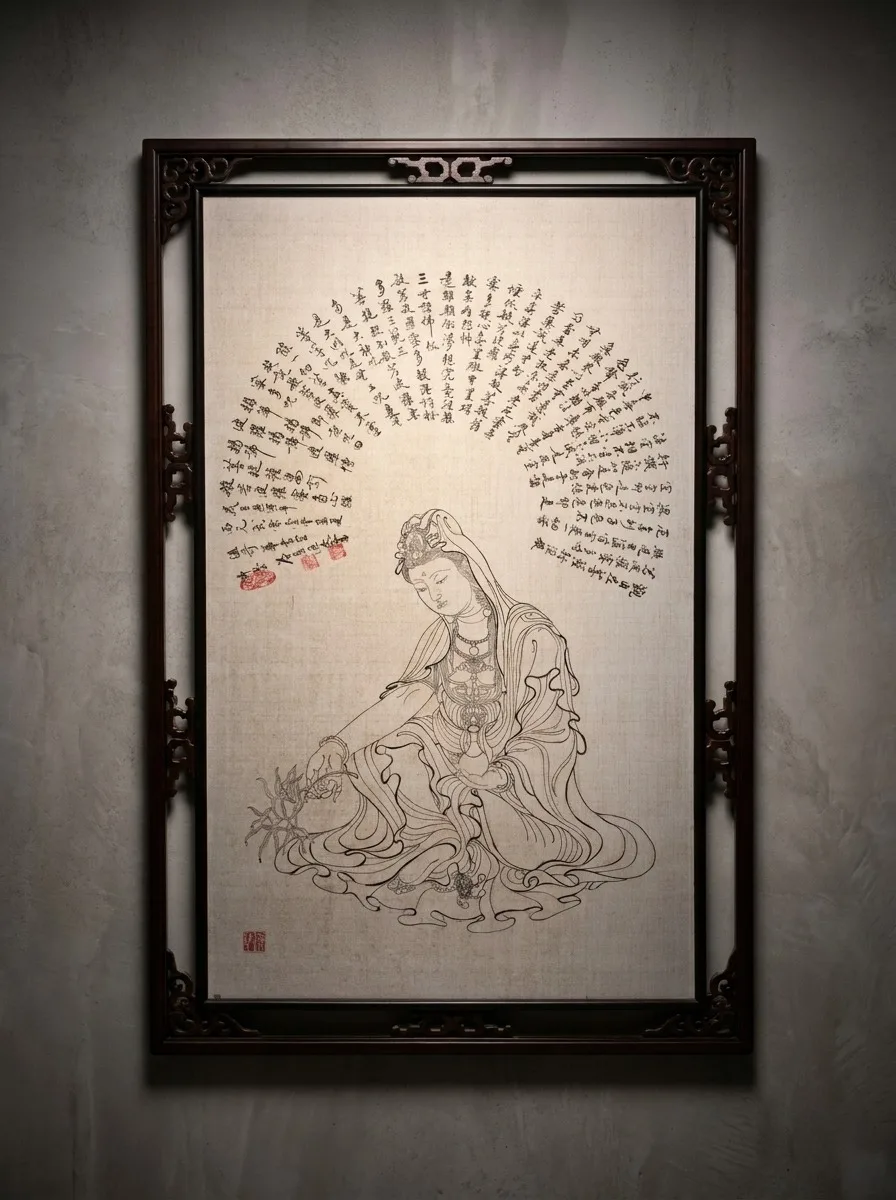
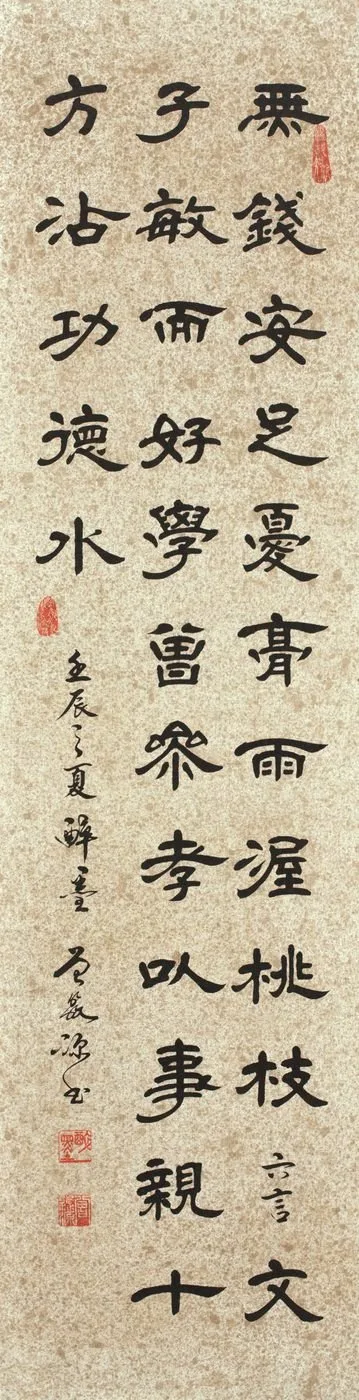
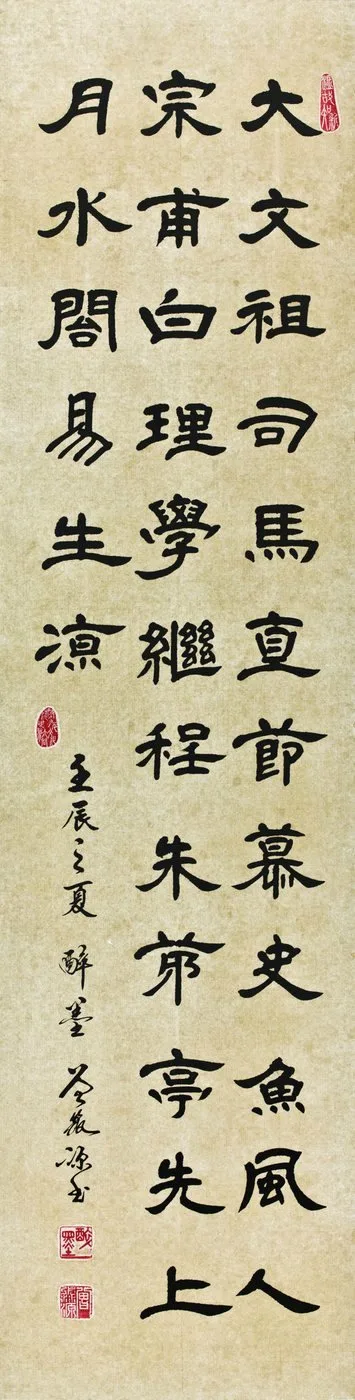
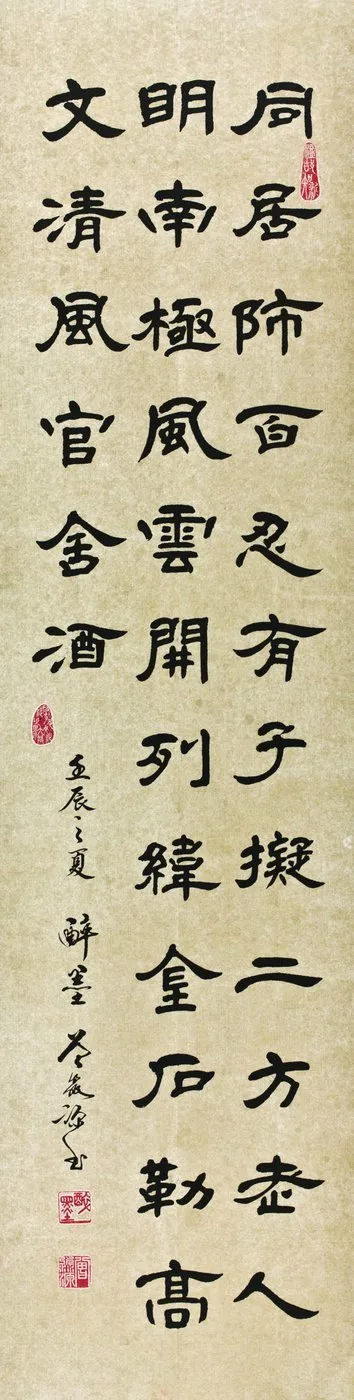
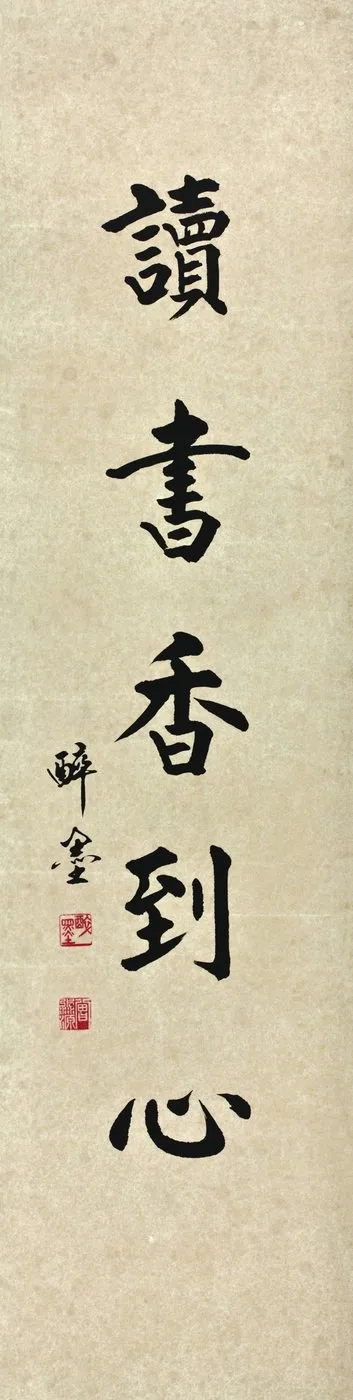
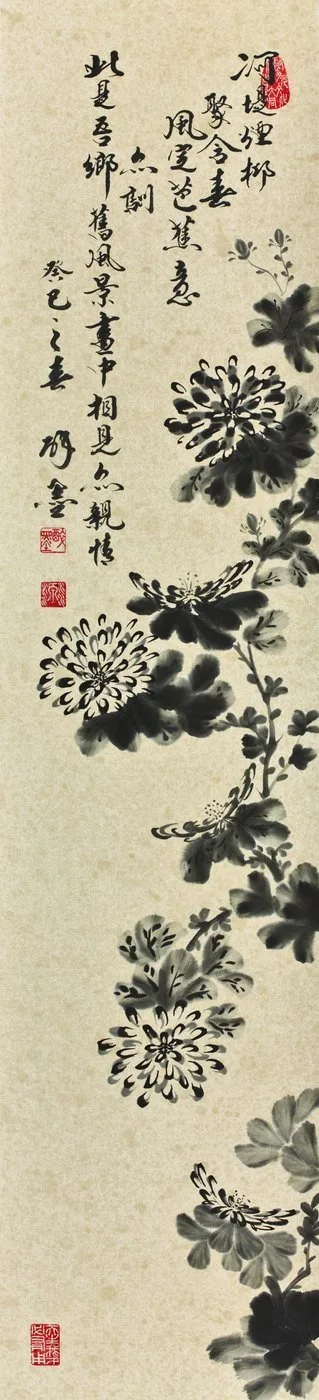
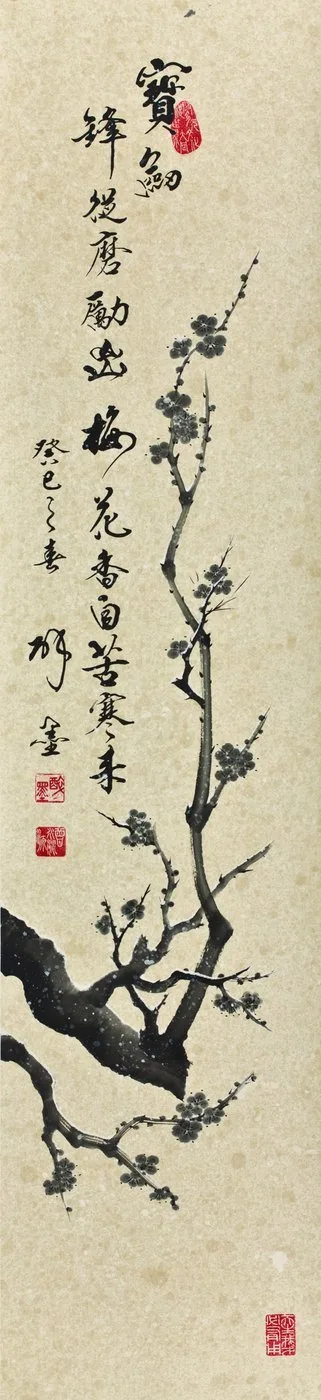
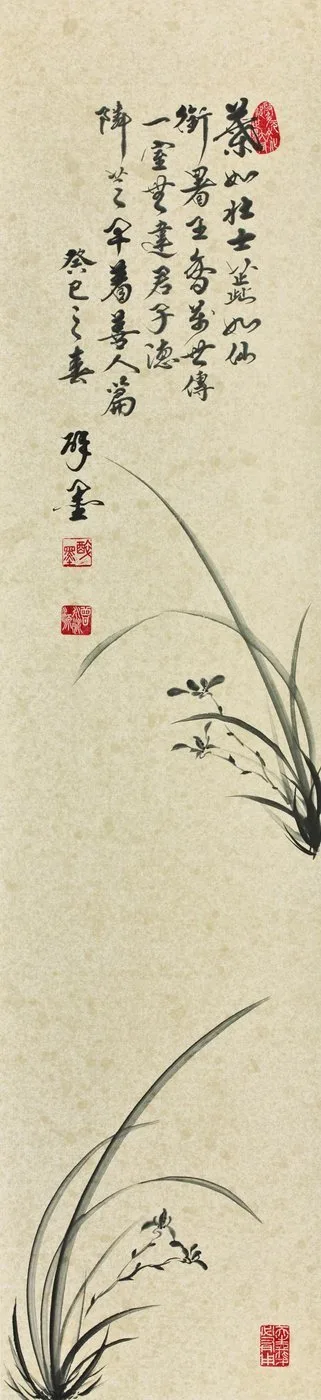
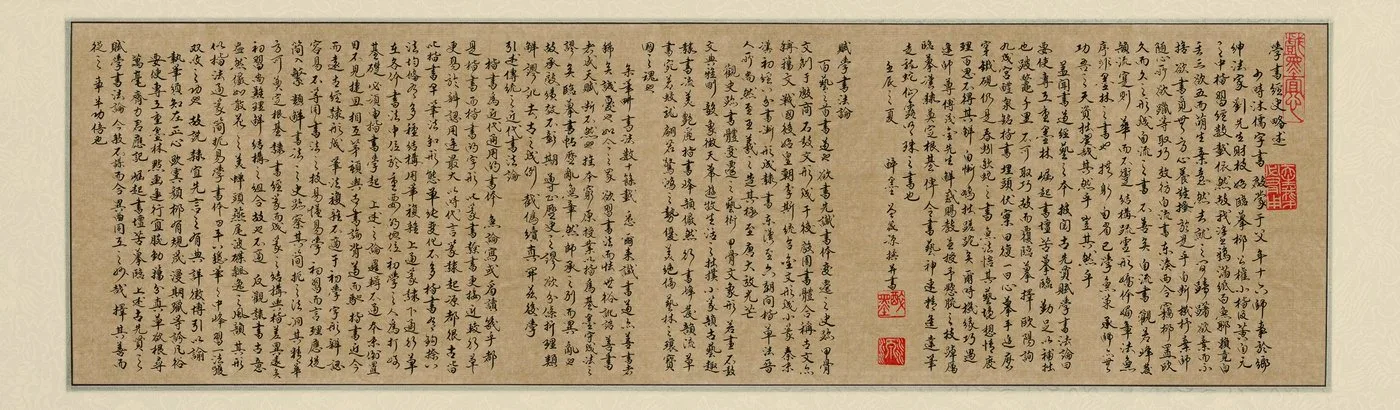
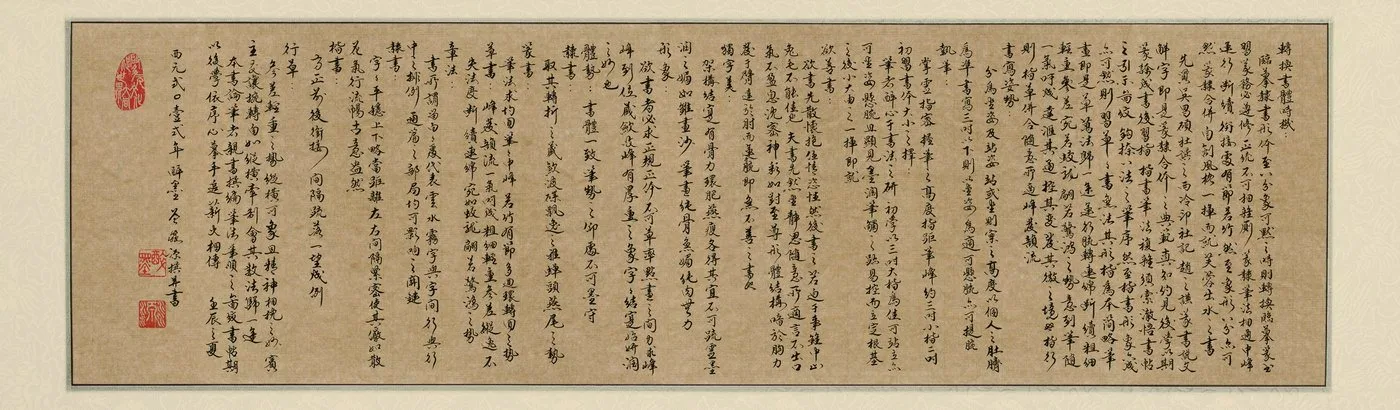
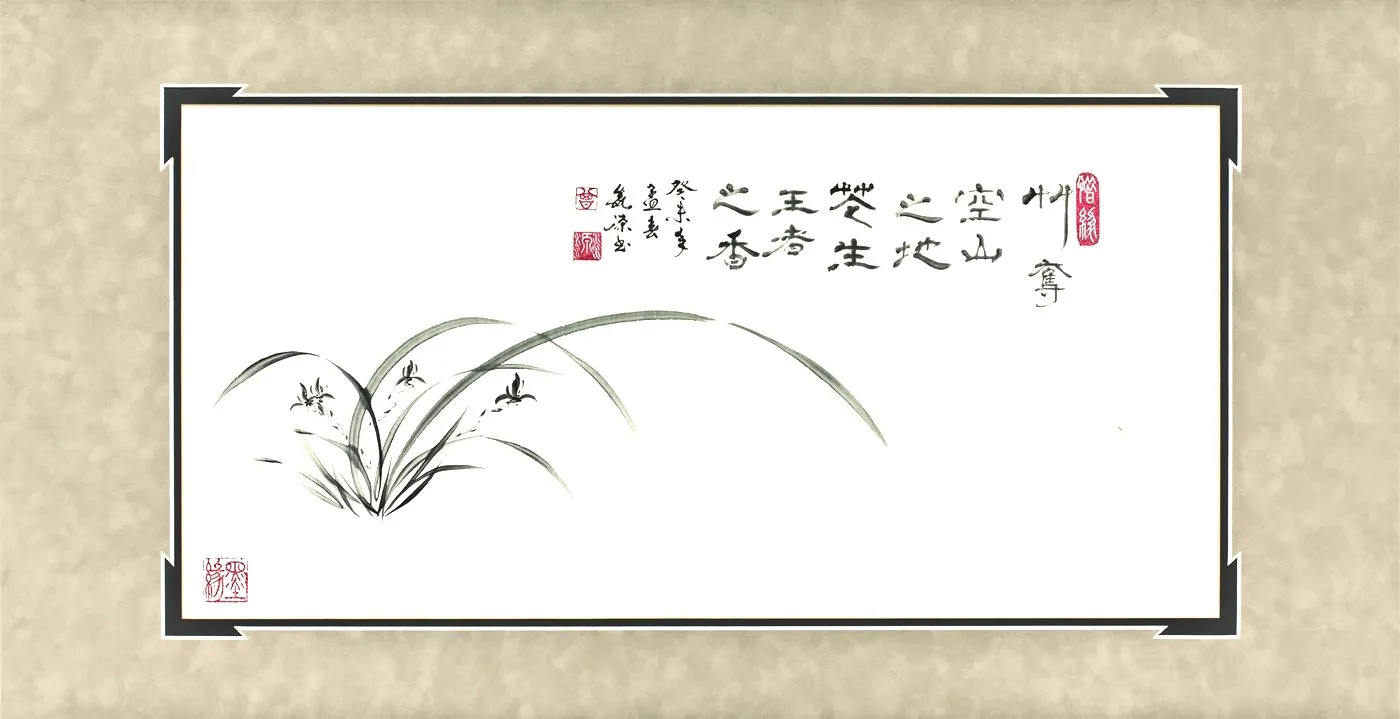
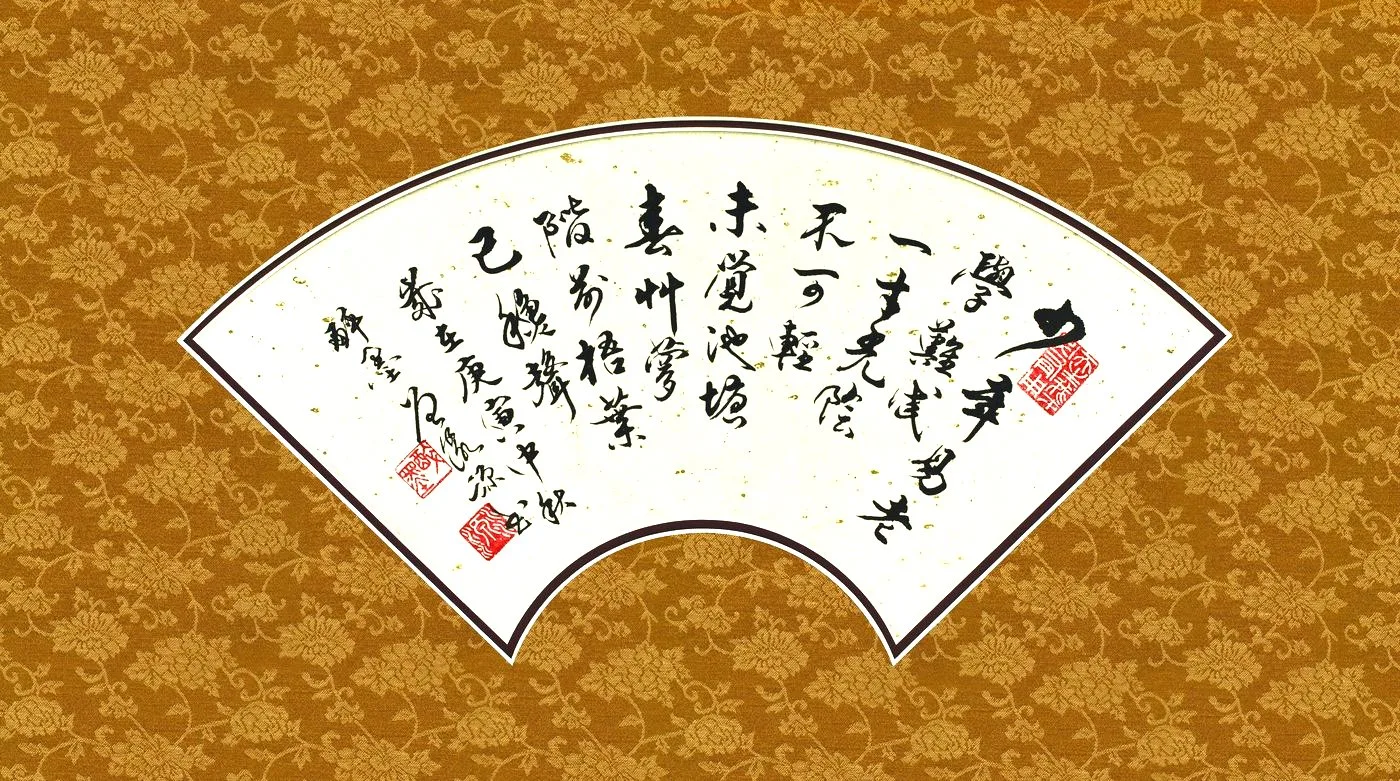
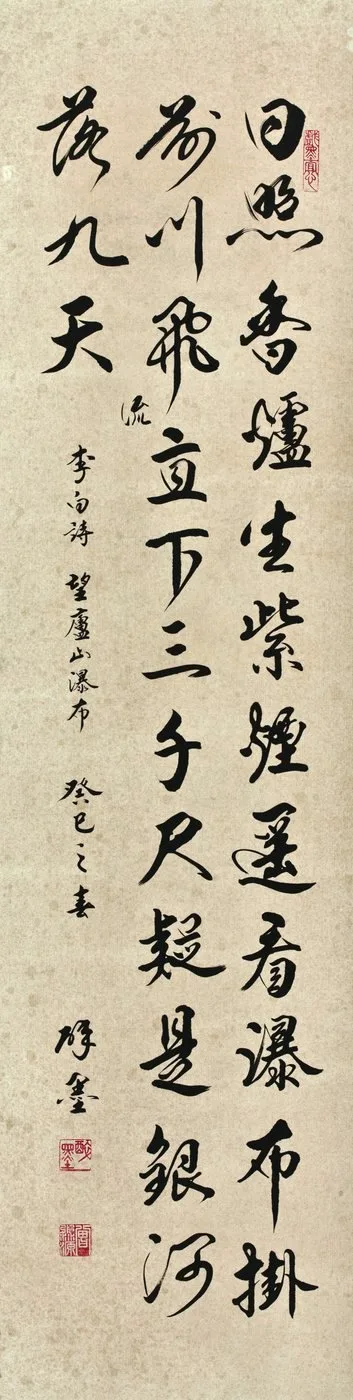
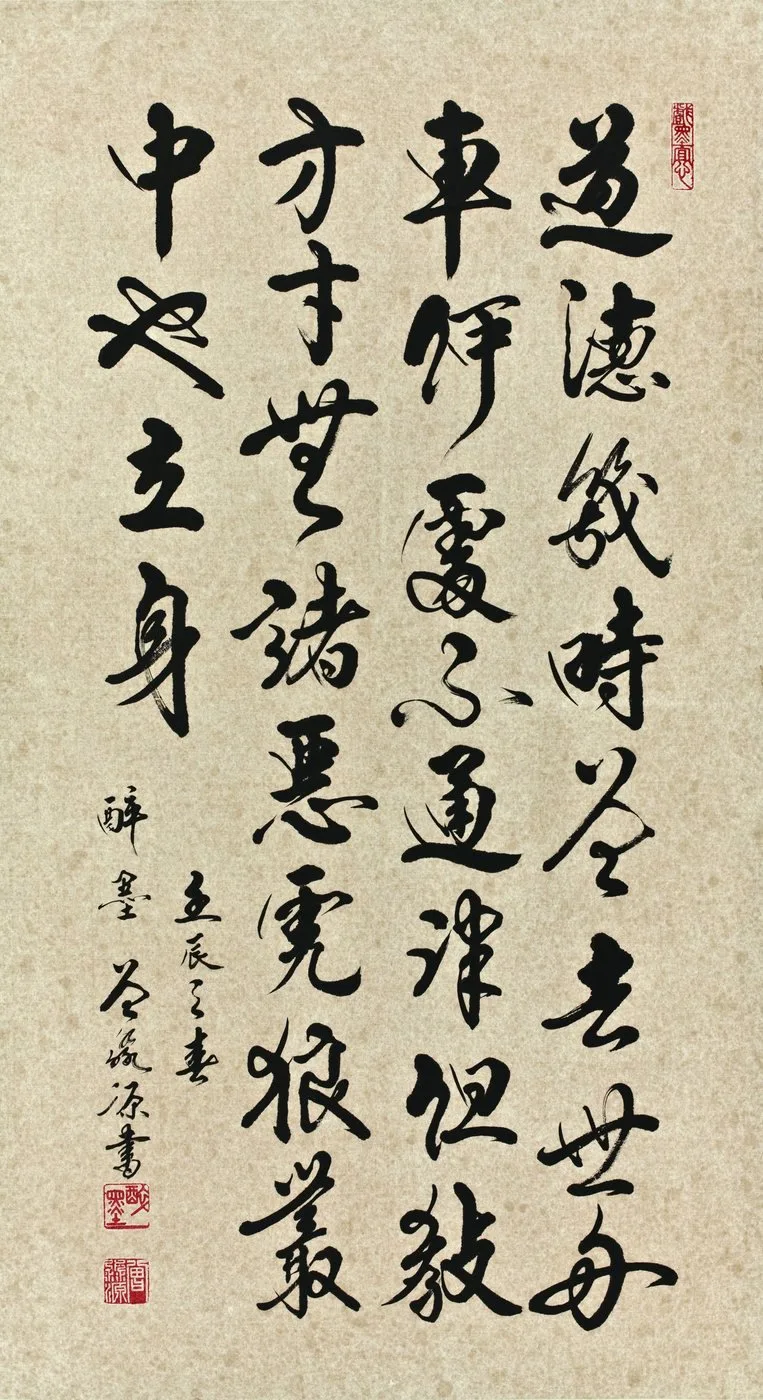
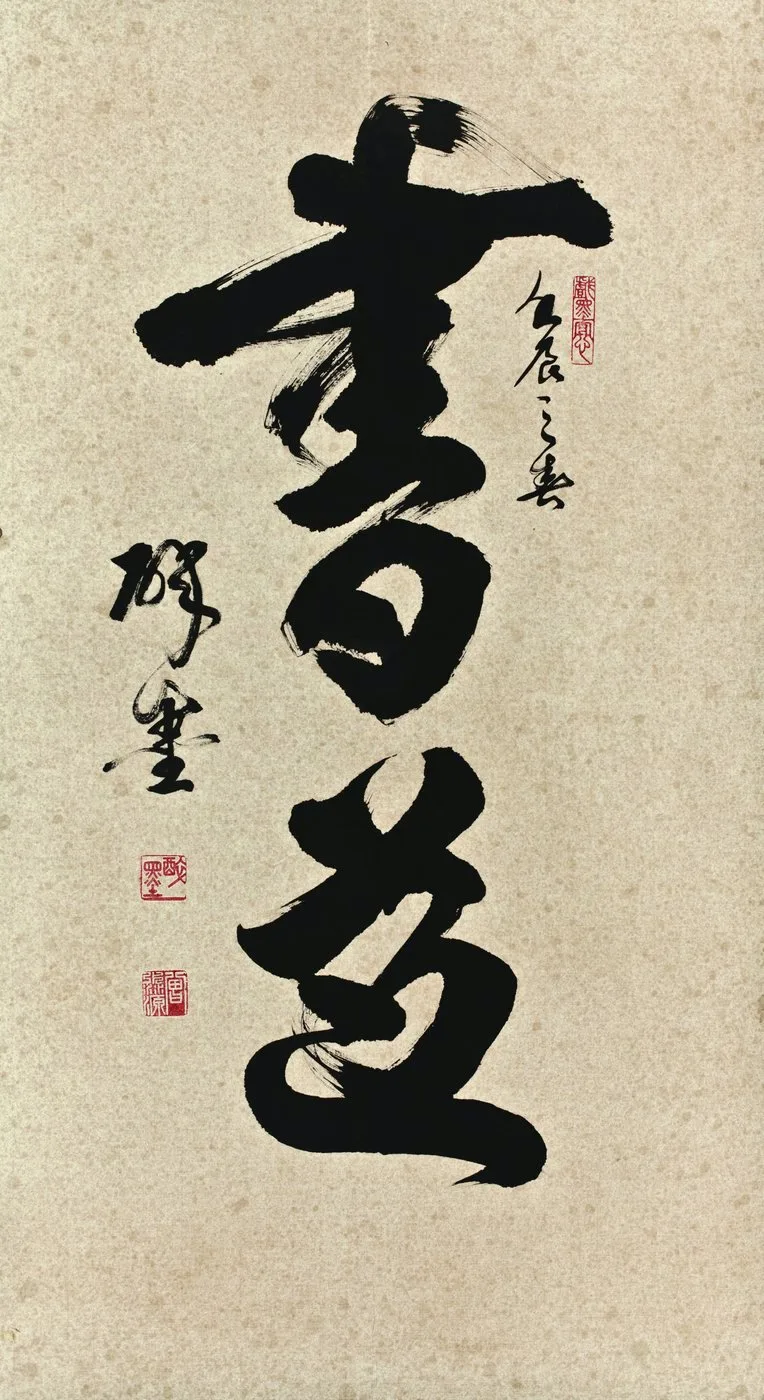
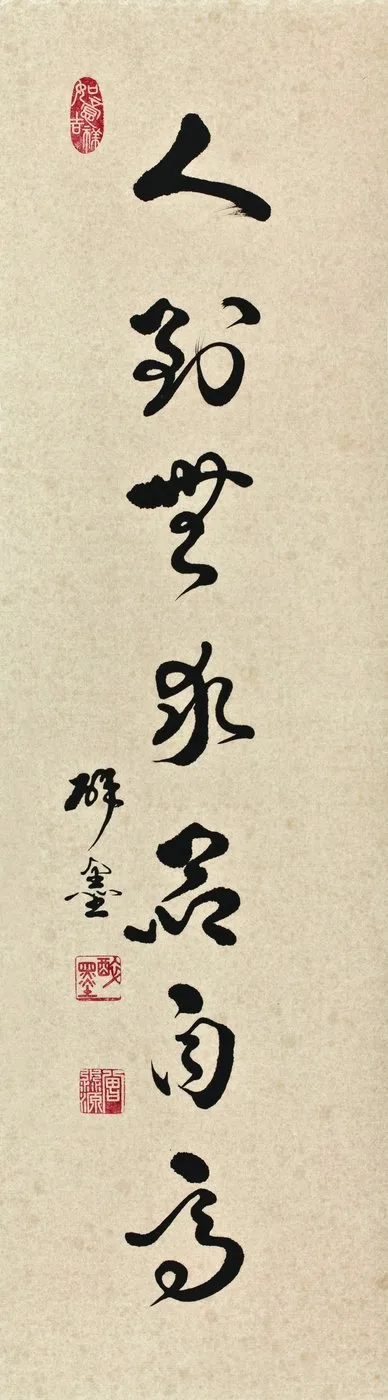
與《醉墨賦學書法論》同年出版的姐妹冊——《曾淼源書畫精選》收錄了他歷年精選的書法與水墨畫作品,跨頁精裝,全彩印刷。如果說《醉墨賦學》是「方法的論述」,《書畫精選》就是「方法落地的證據」。
Released the same year as On Drunk Ink, this companion volume gathers his selected calligraphy and ink-painting works in a spread-format hardback. Where the theory book argues method, this one delivers proof.
兩冊並讀,可看見一位書家如何把畢生關於「為何如此寫」的思考,化為紙上墨痕——理論不止於文字,也在筆畫的轉折之間。
Read together, the two volumes show how a calligrapher's lifetime of thinking about why the brush moves takes shape as ink on paper — theory not only in writing, but in every turn of the stroke.
Opening Exhibition · Greater Vancouver Cultural Centre
Twenty Years Abroad — A Retrospective
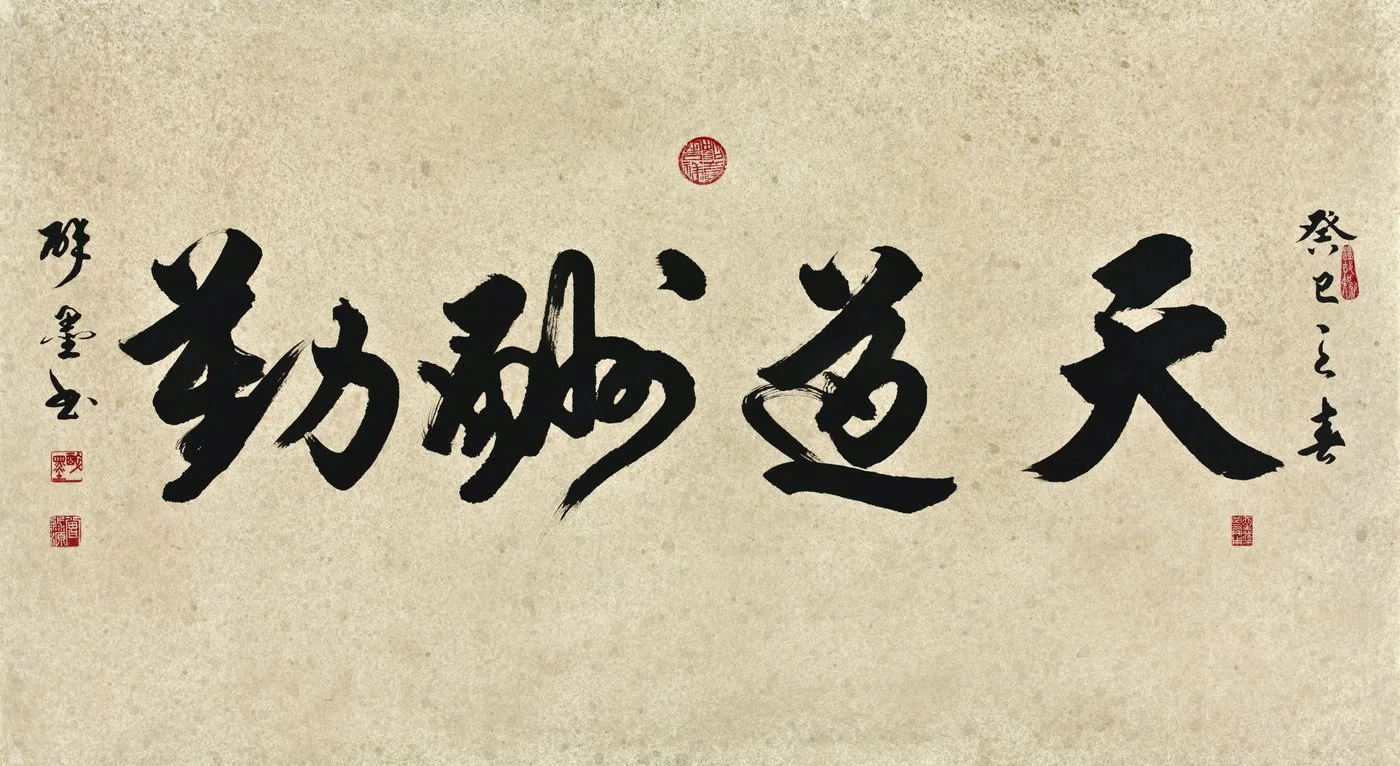
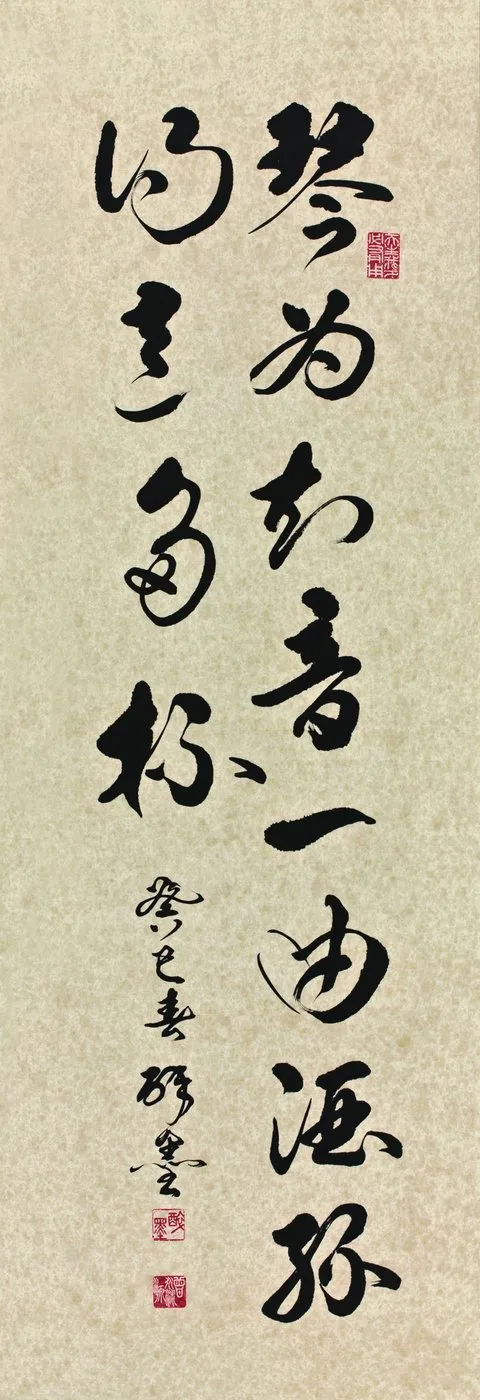
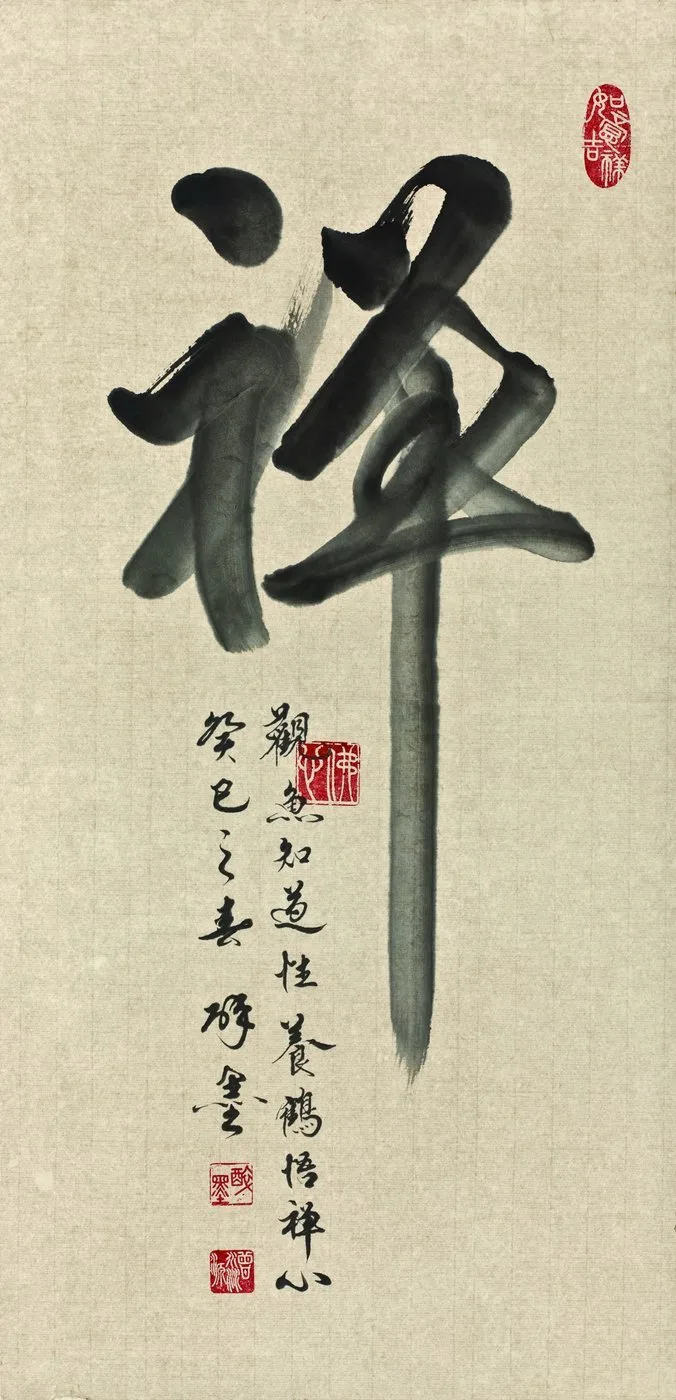
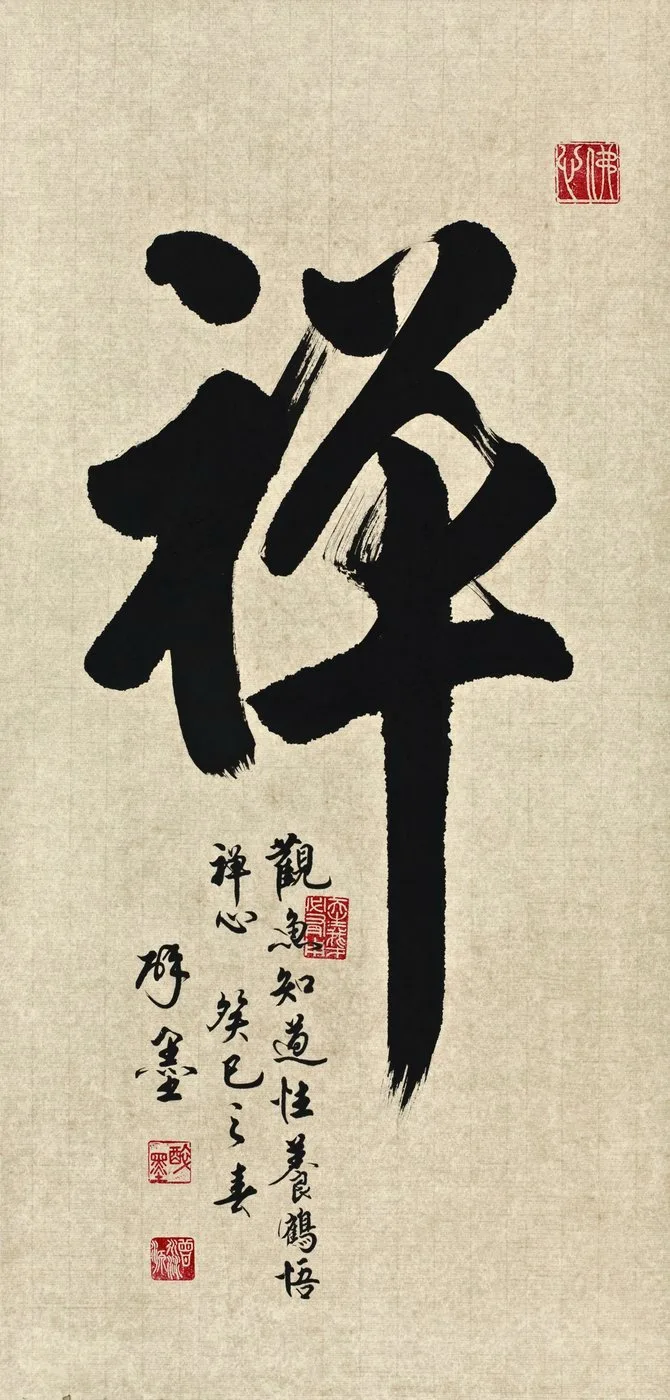
His brush at the door. His works on the wall.
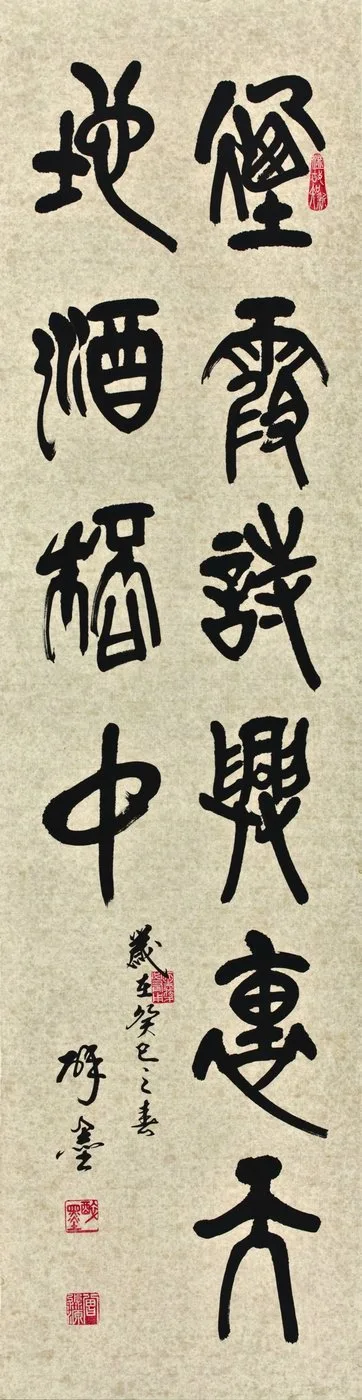
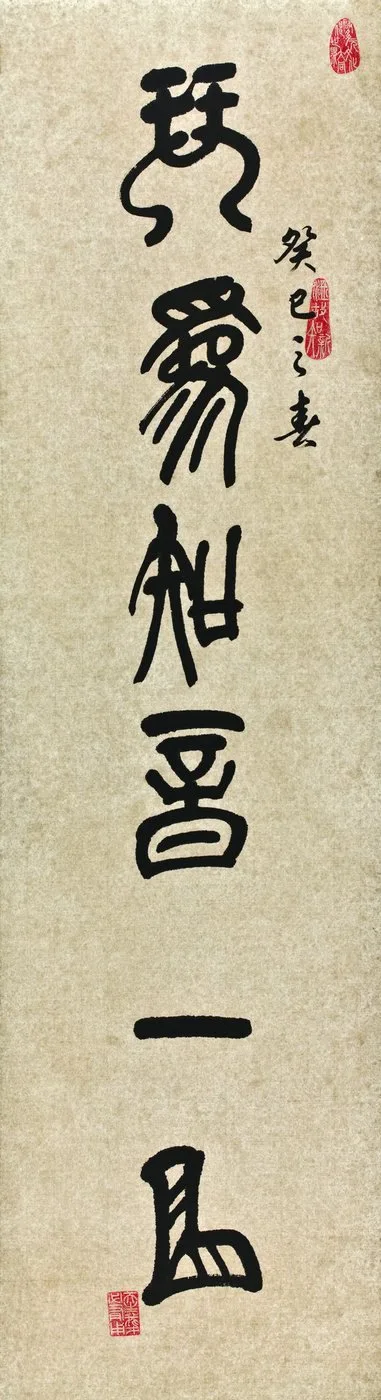
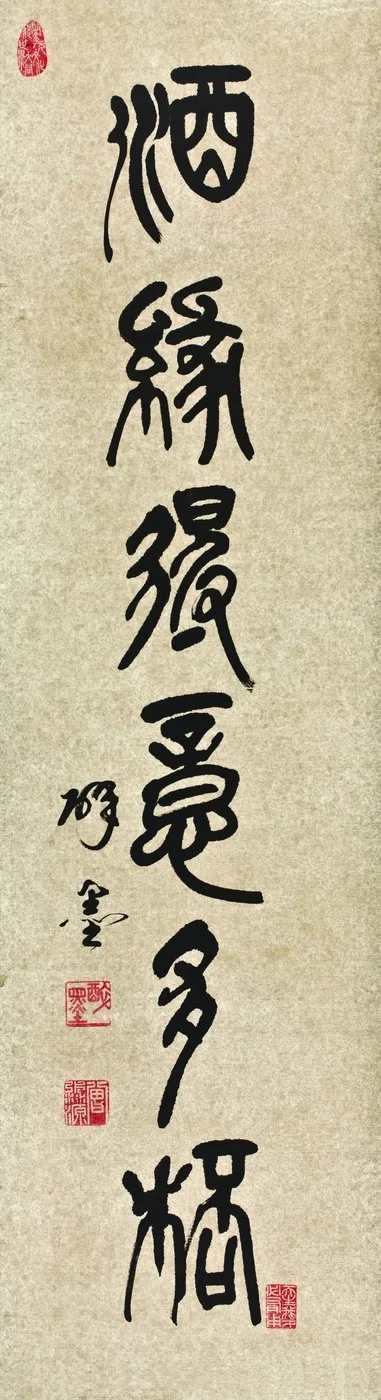
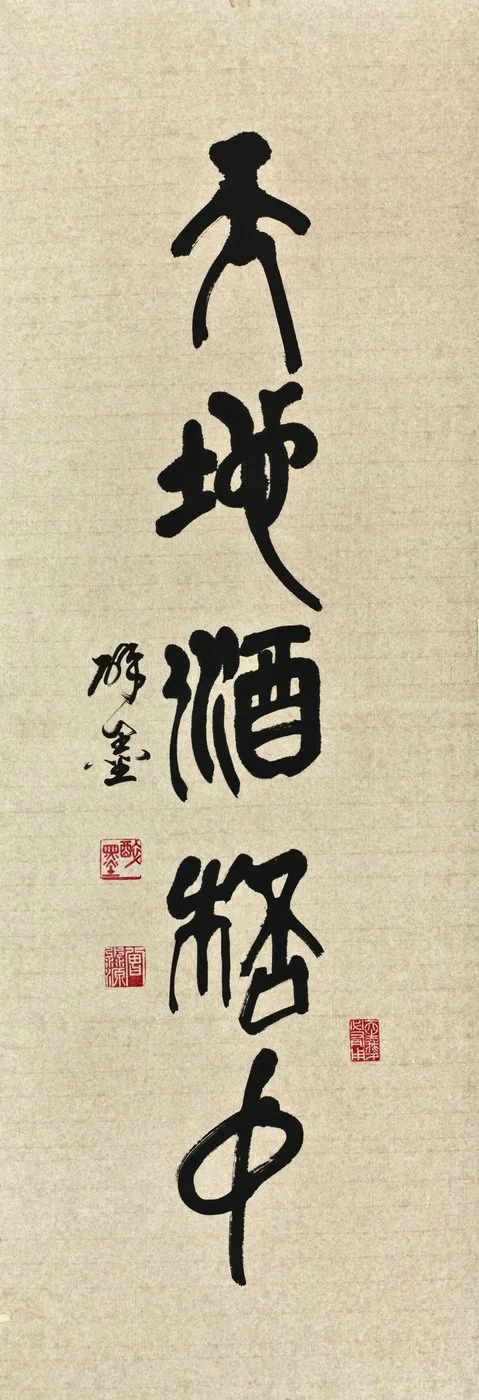
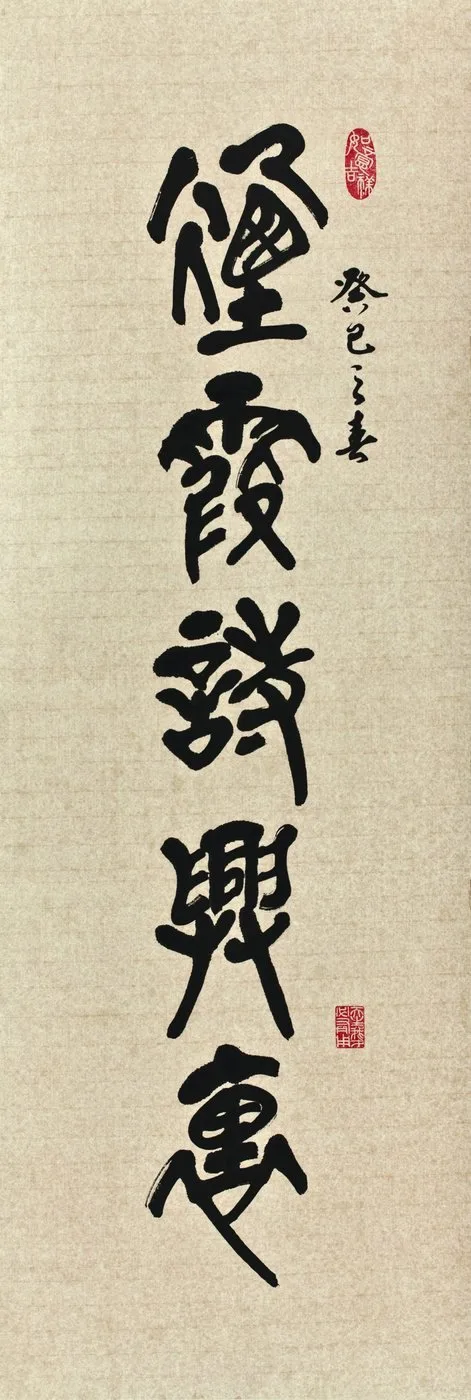
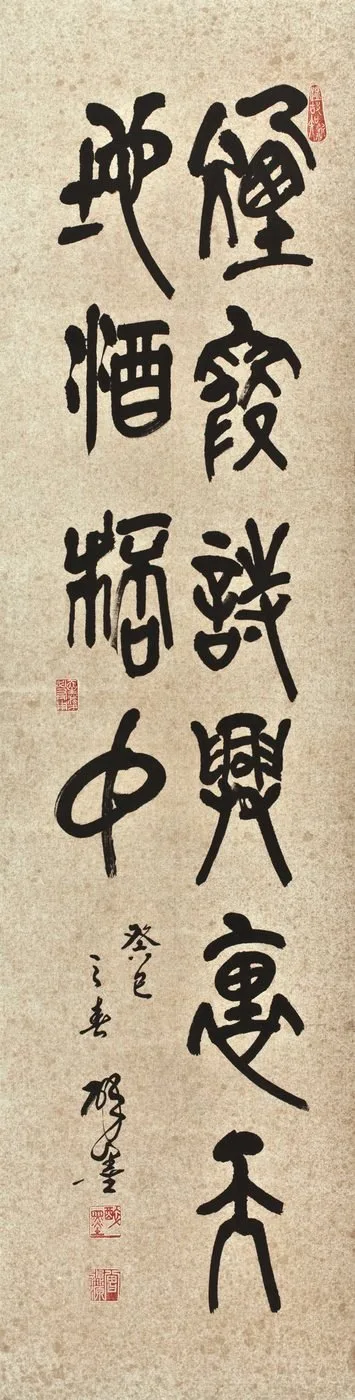
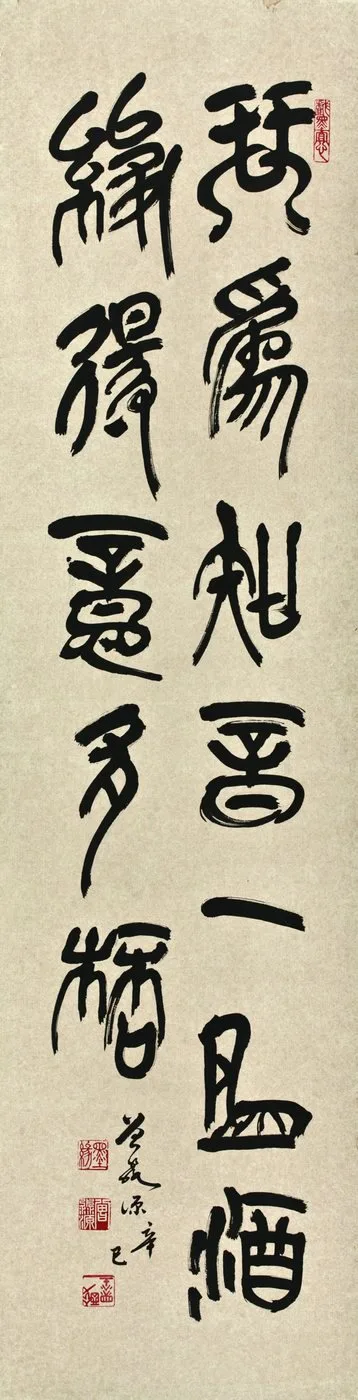
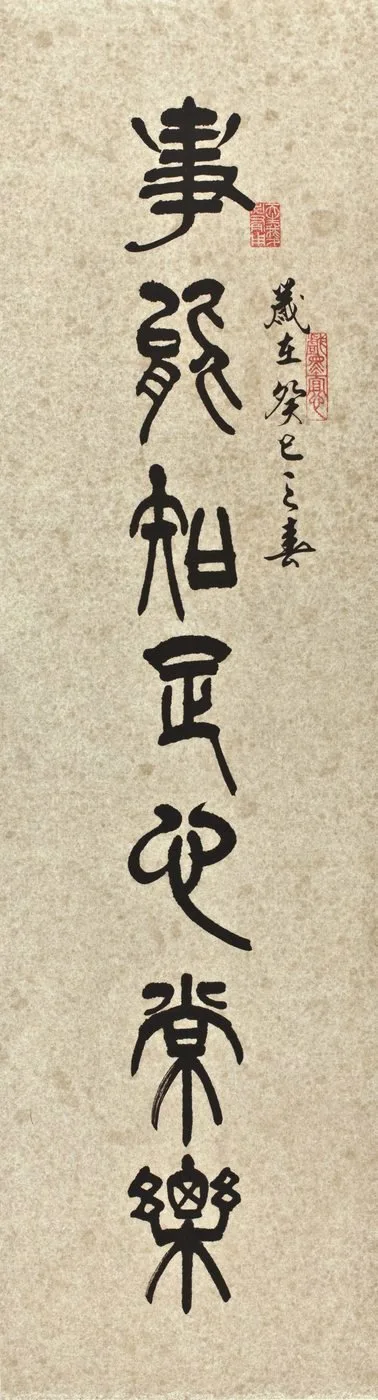
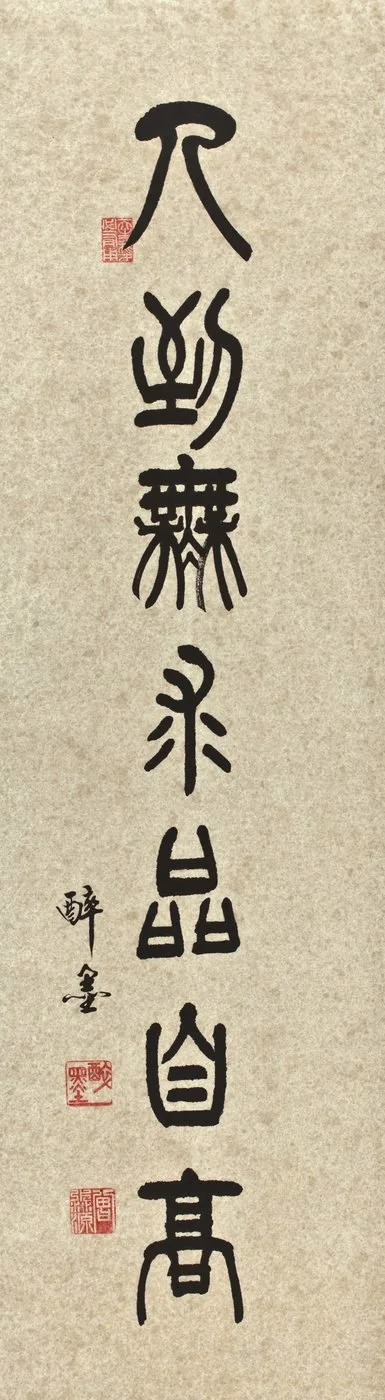
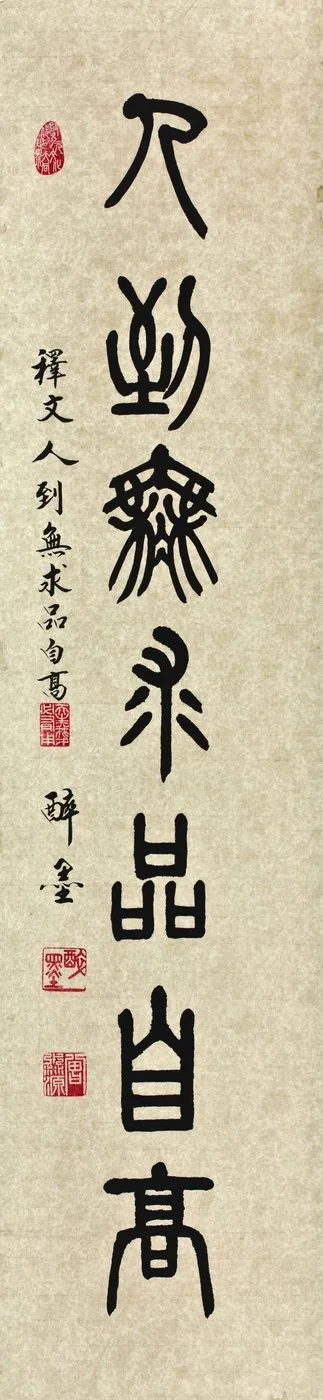
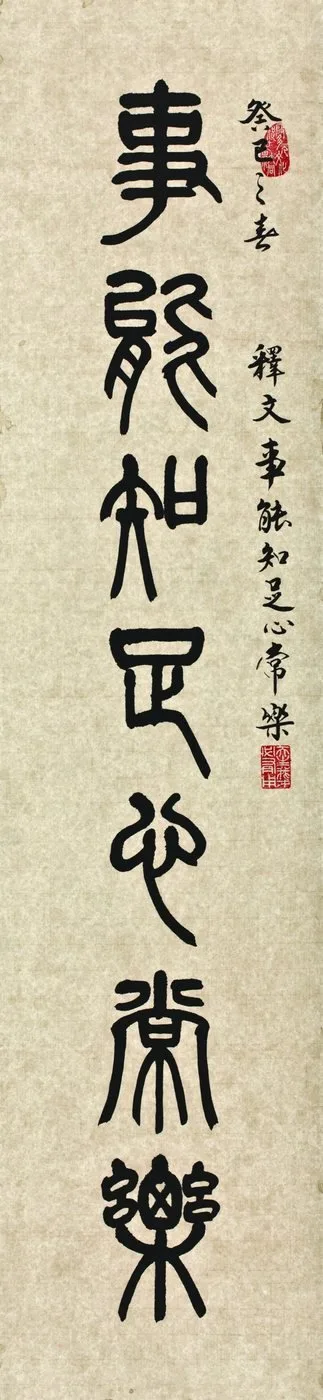
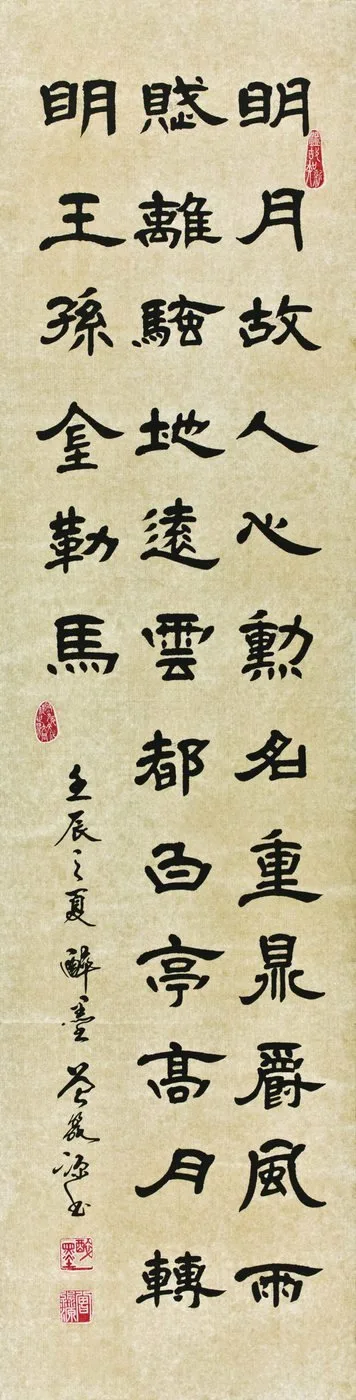
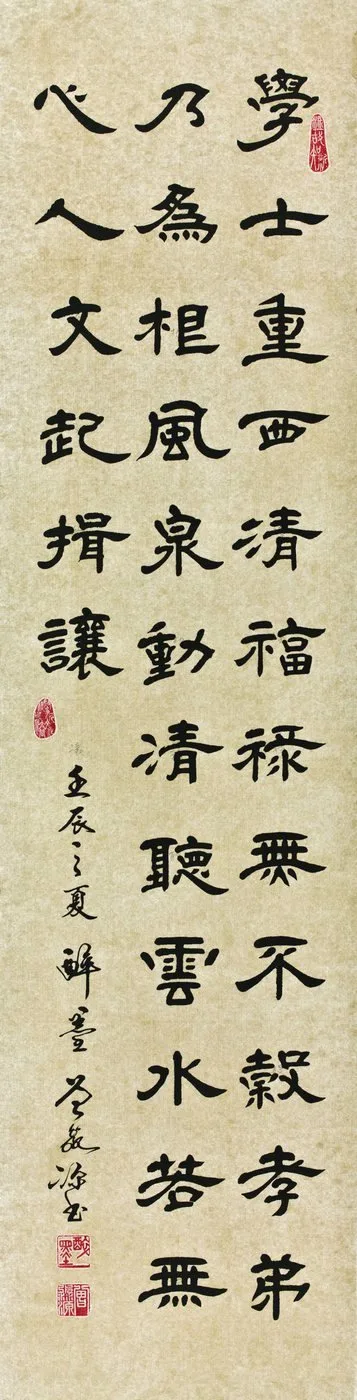
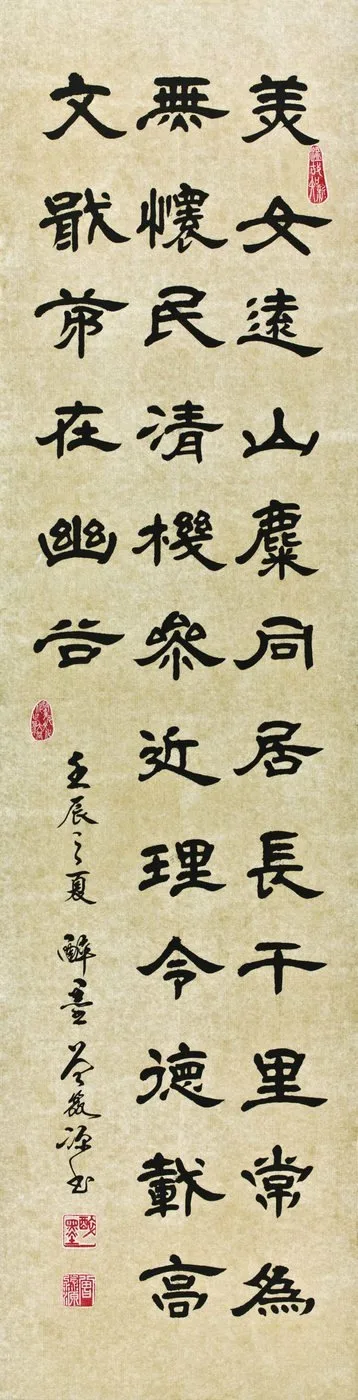
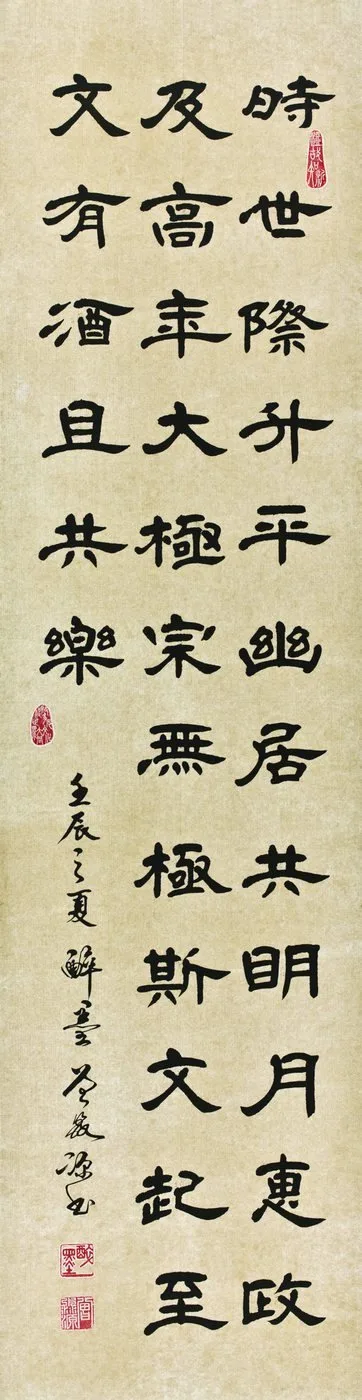
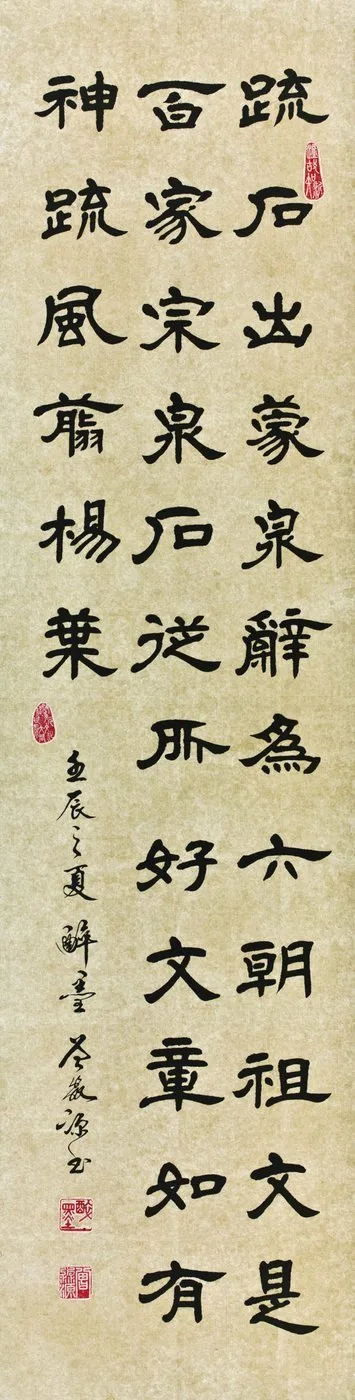
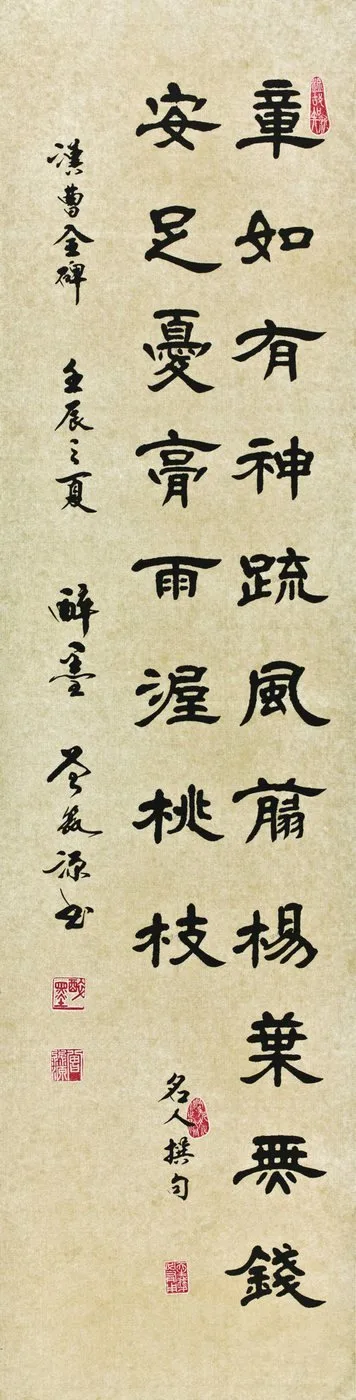
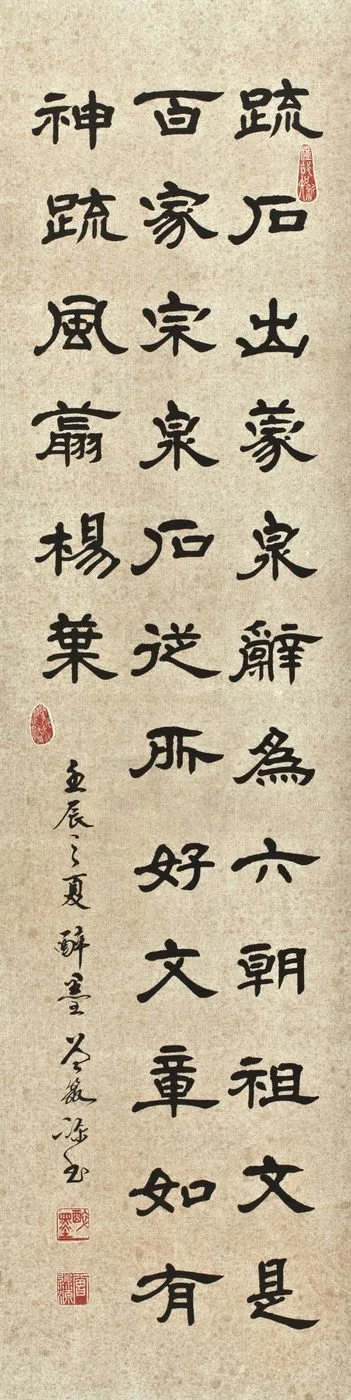
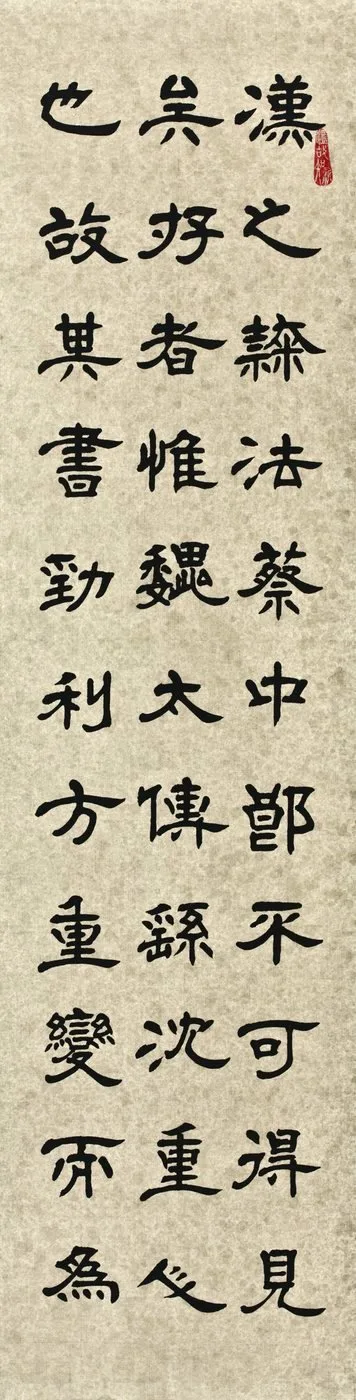
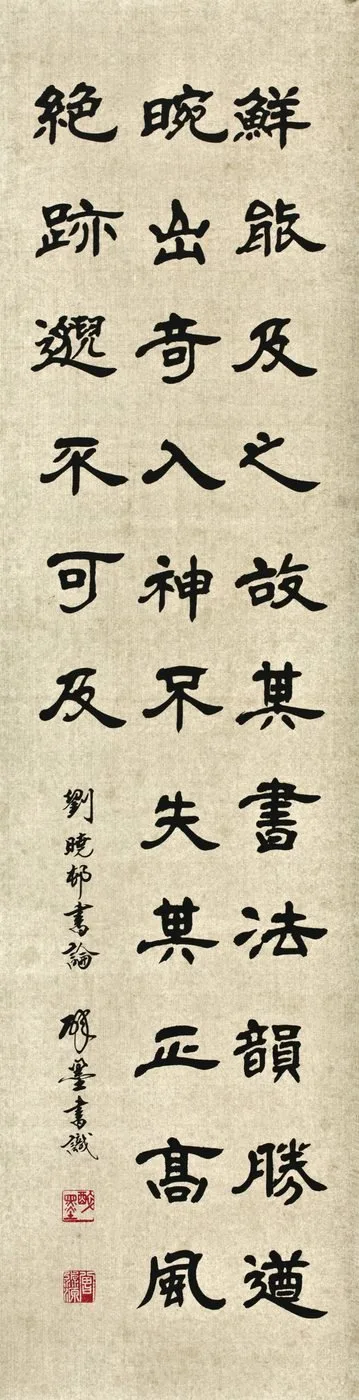
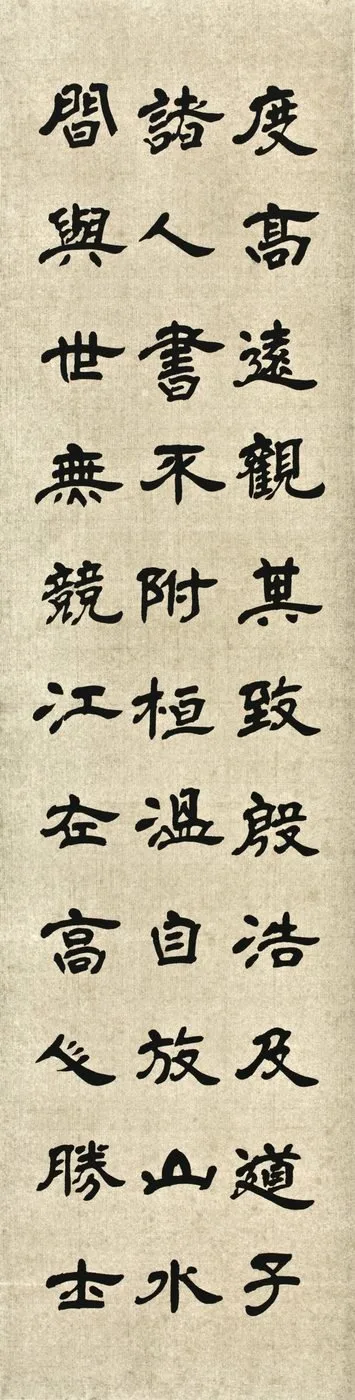
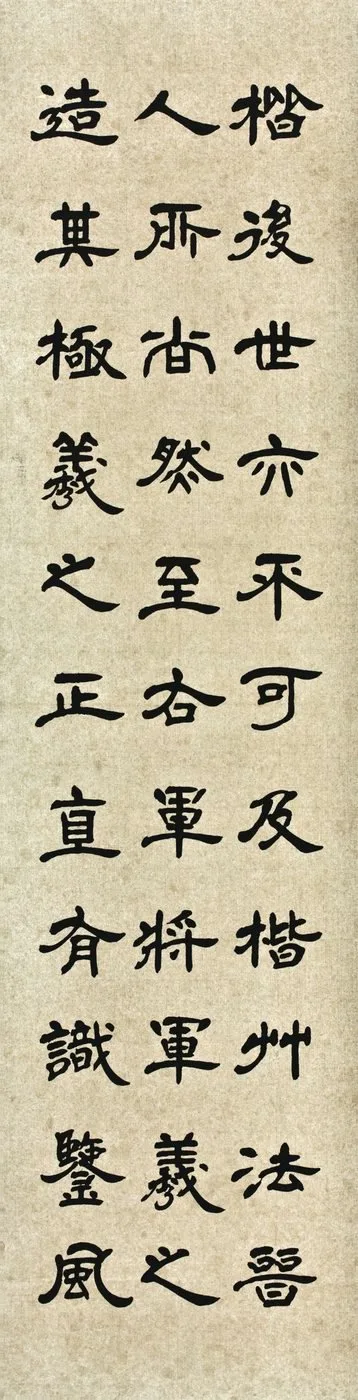
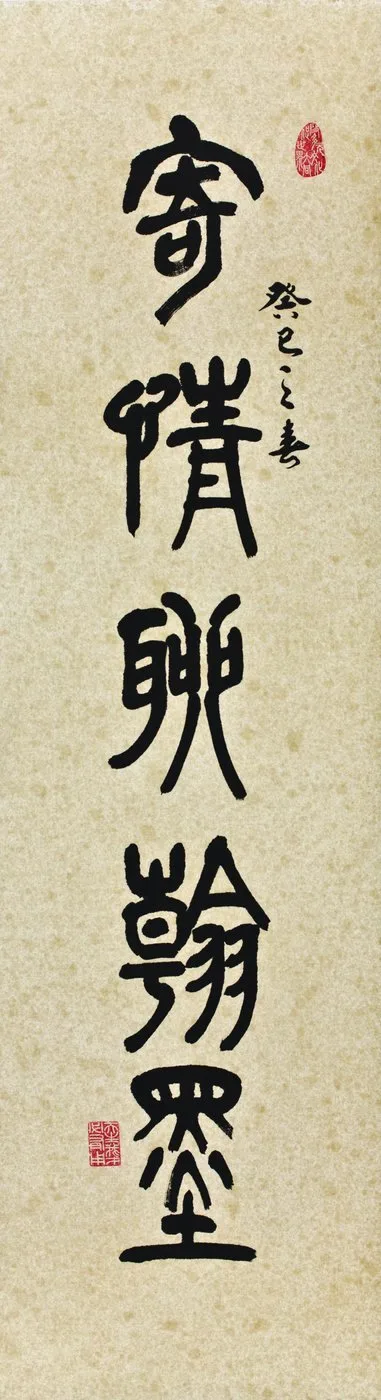
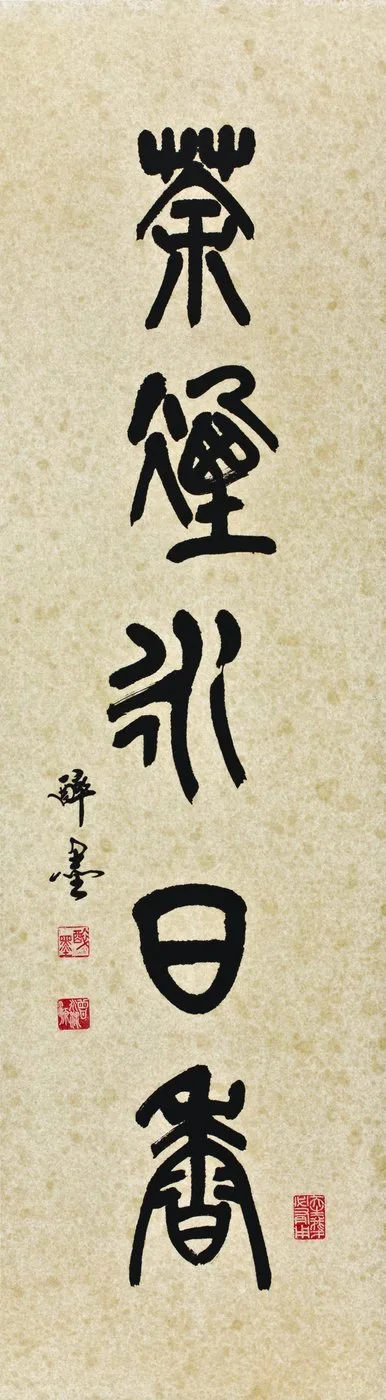
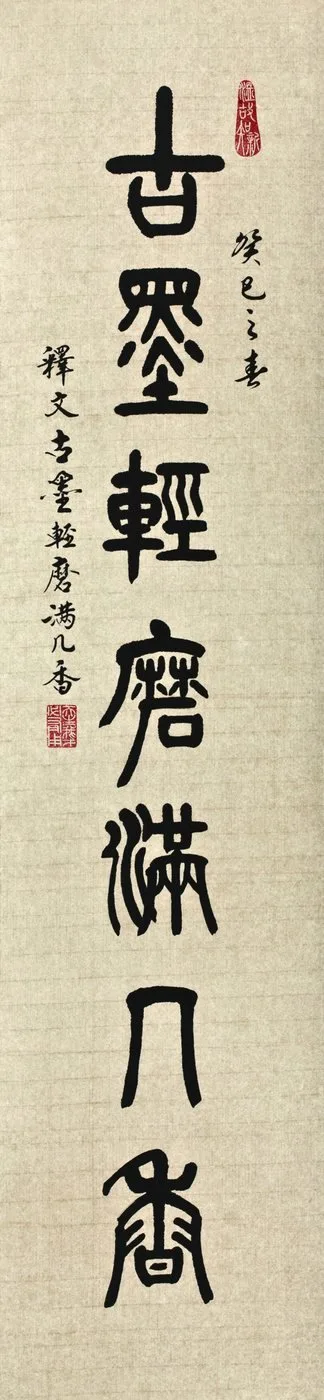
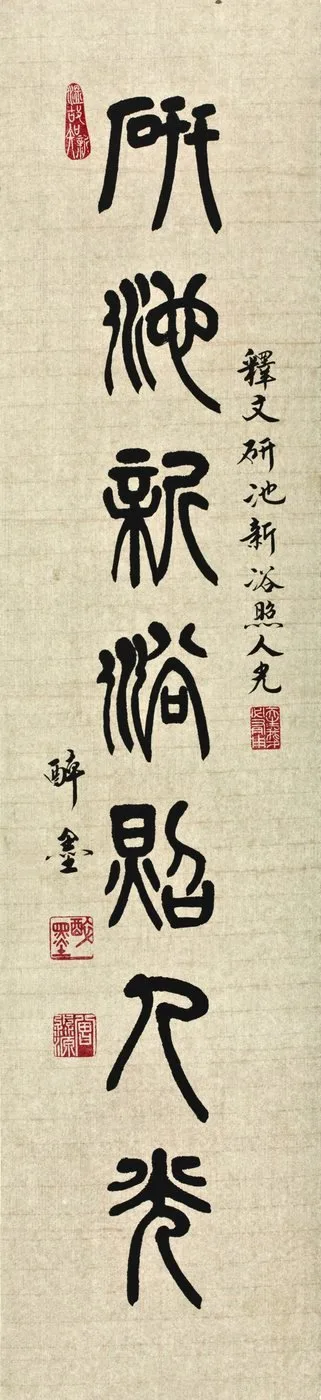
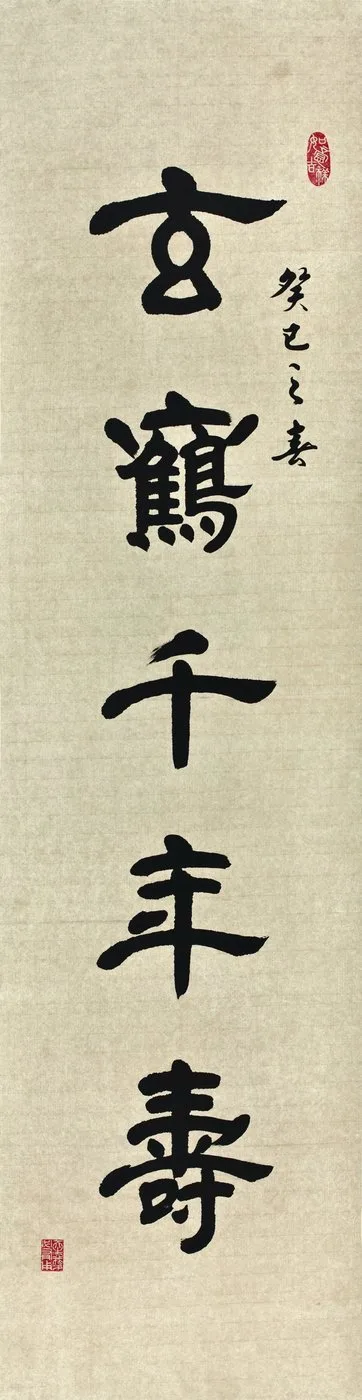
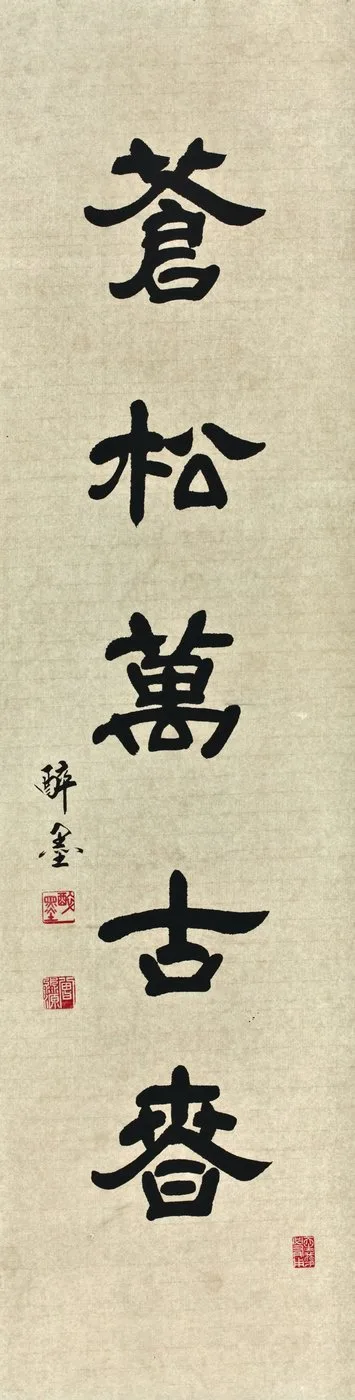
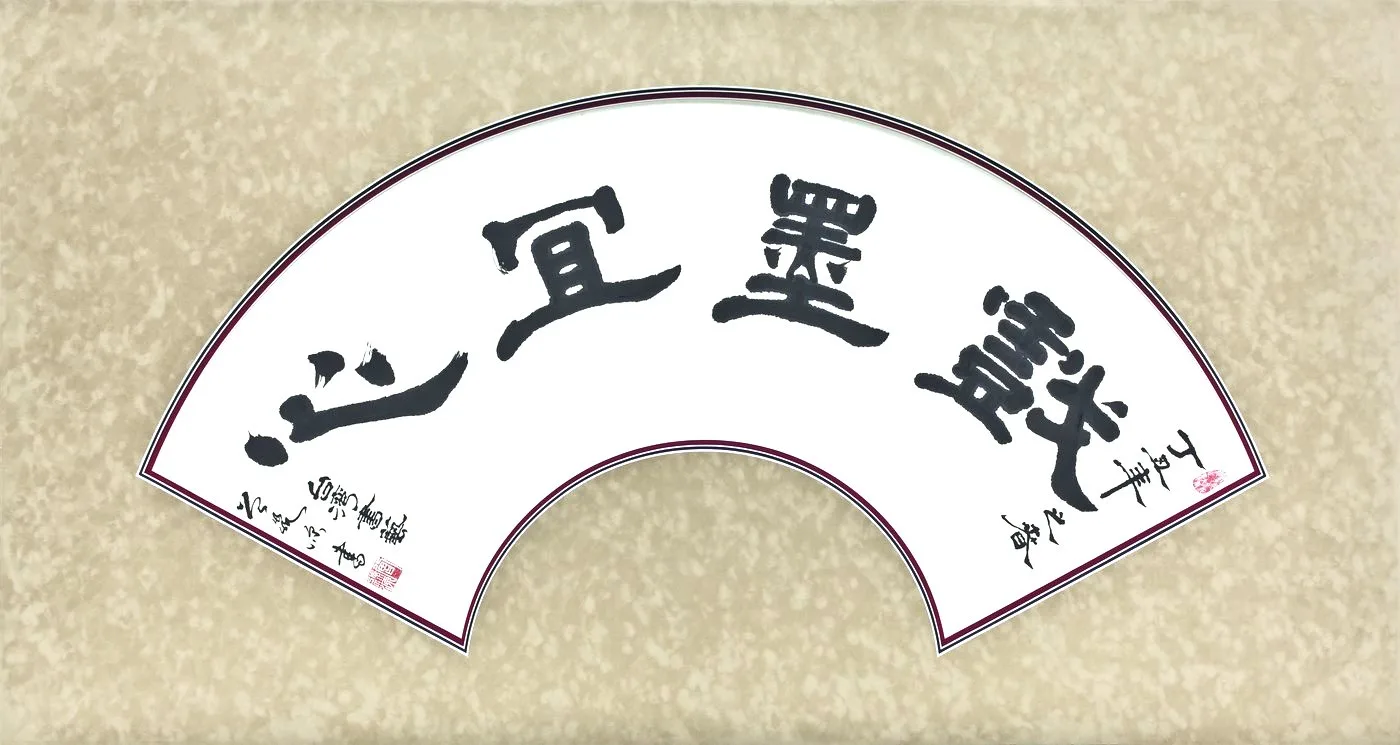
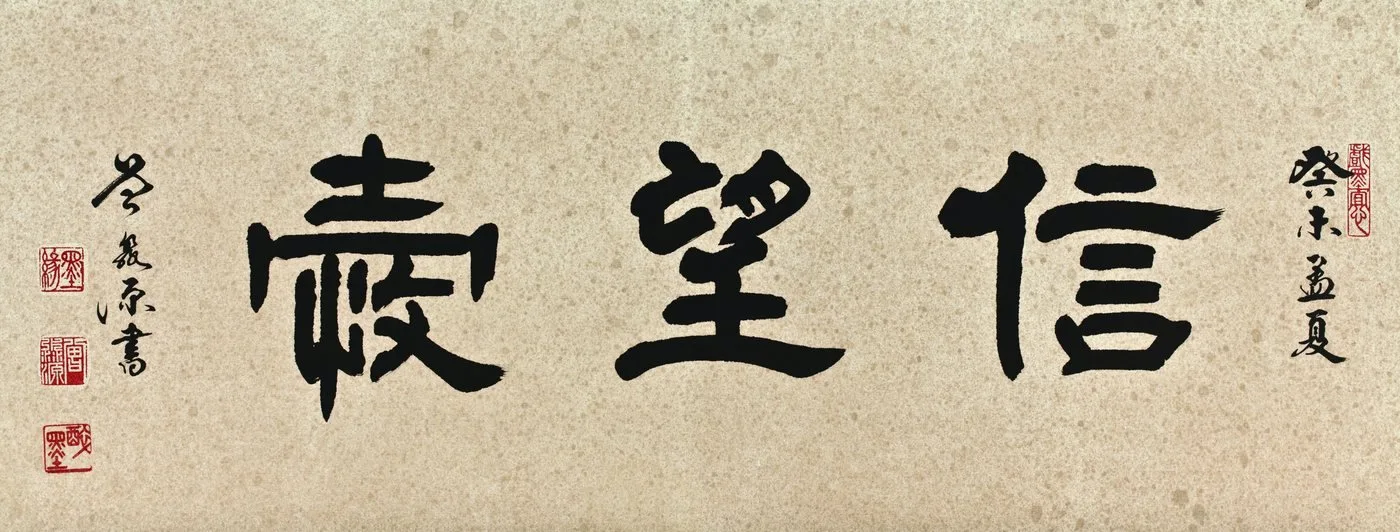
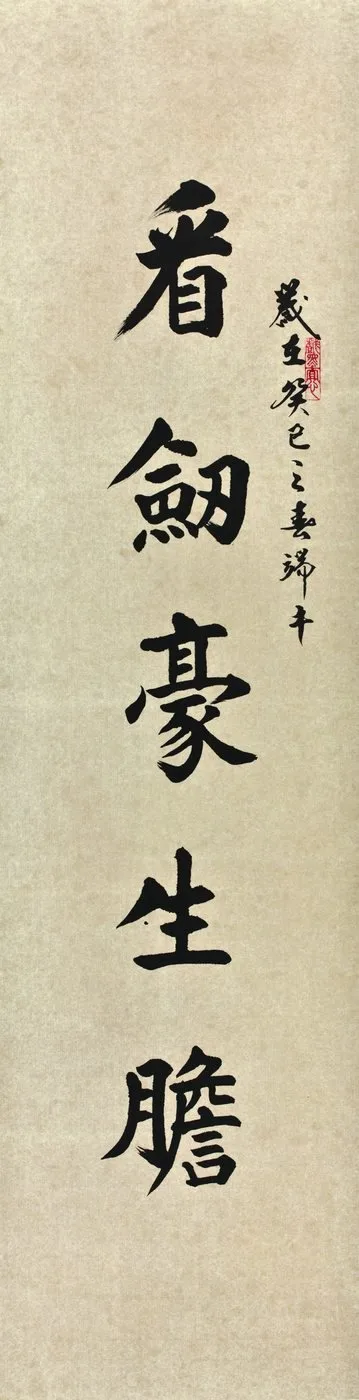
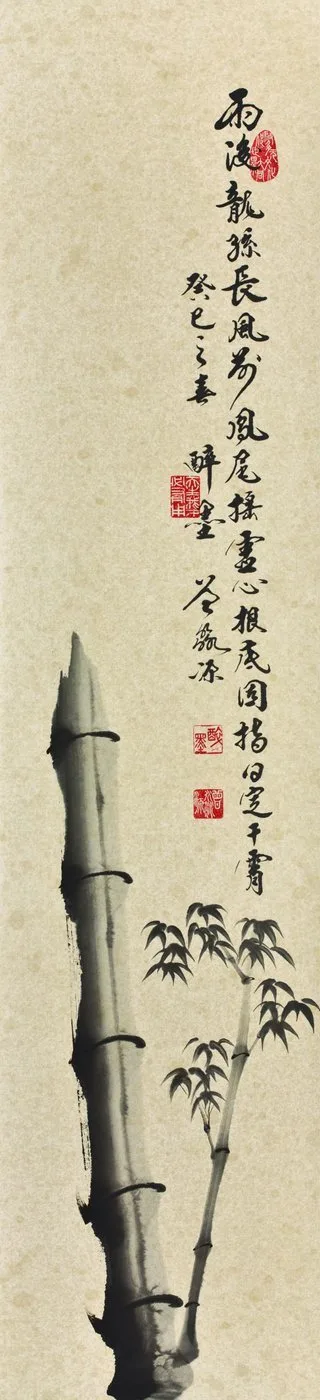
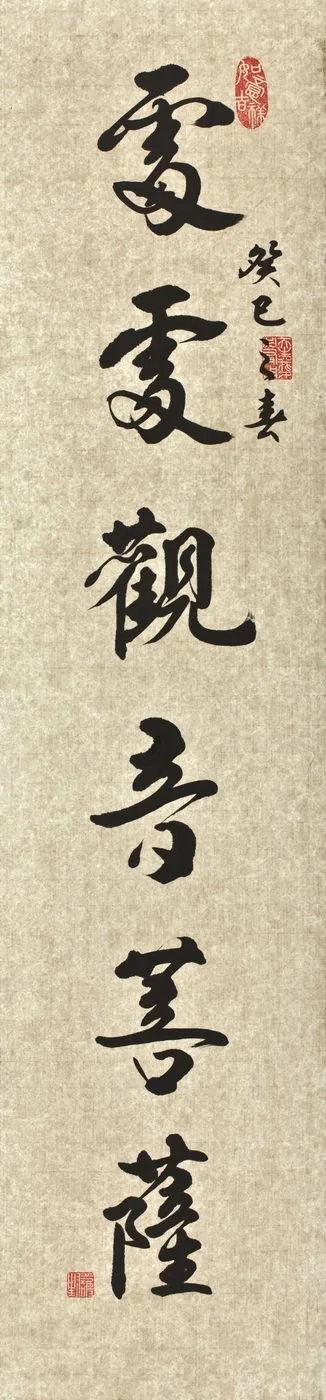
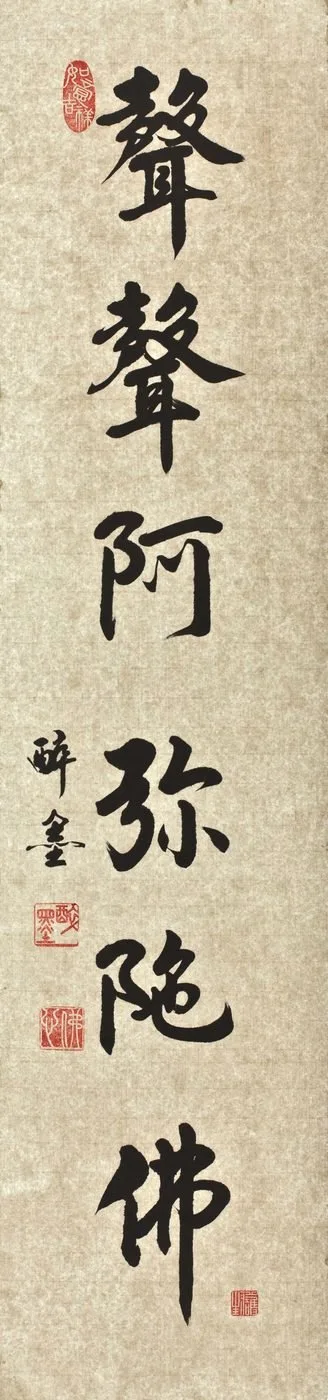
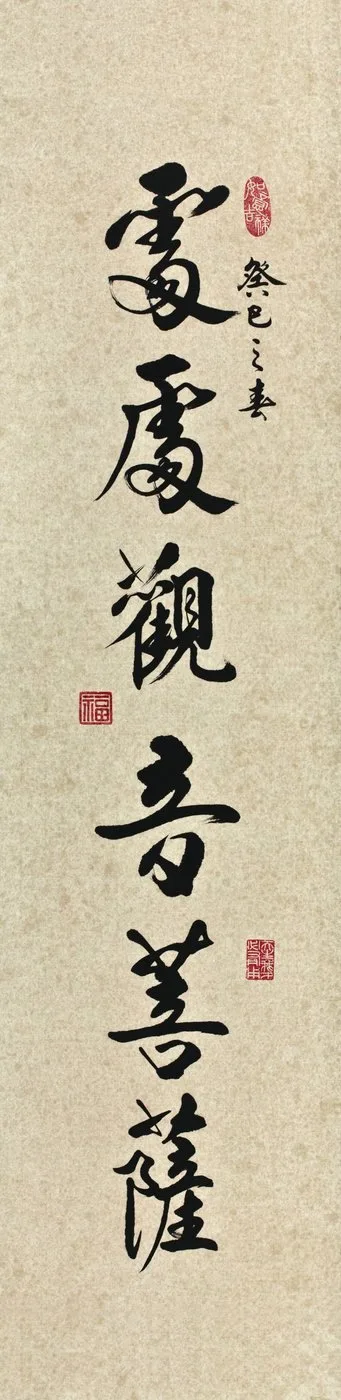
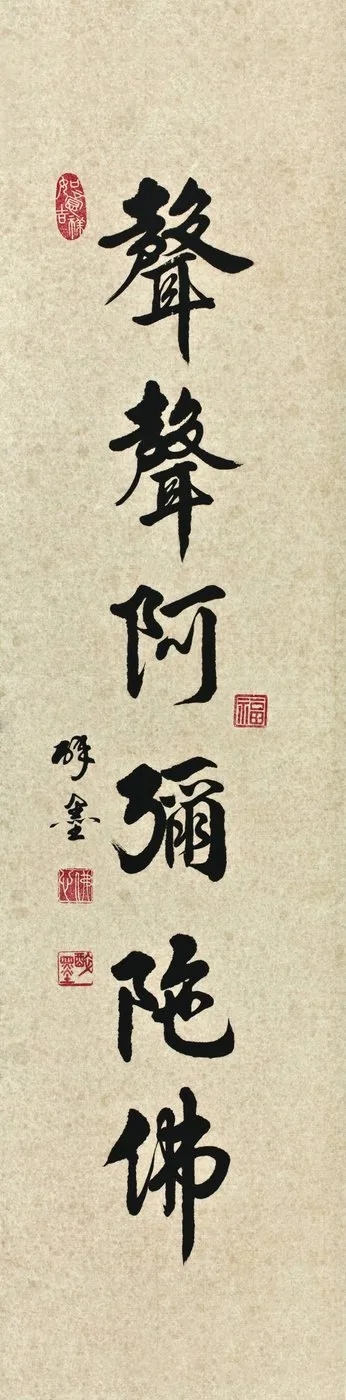
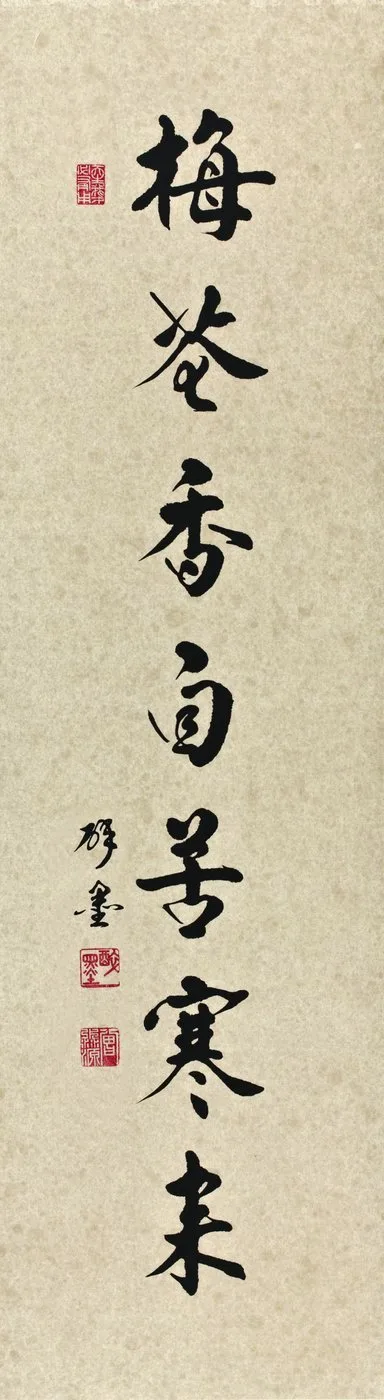
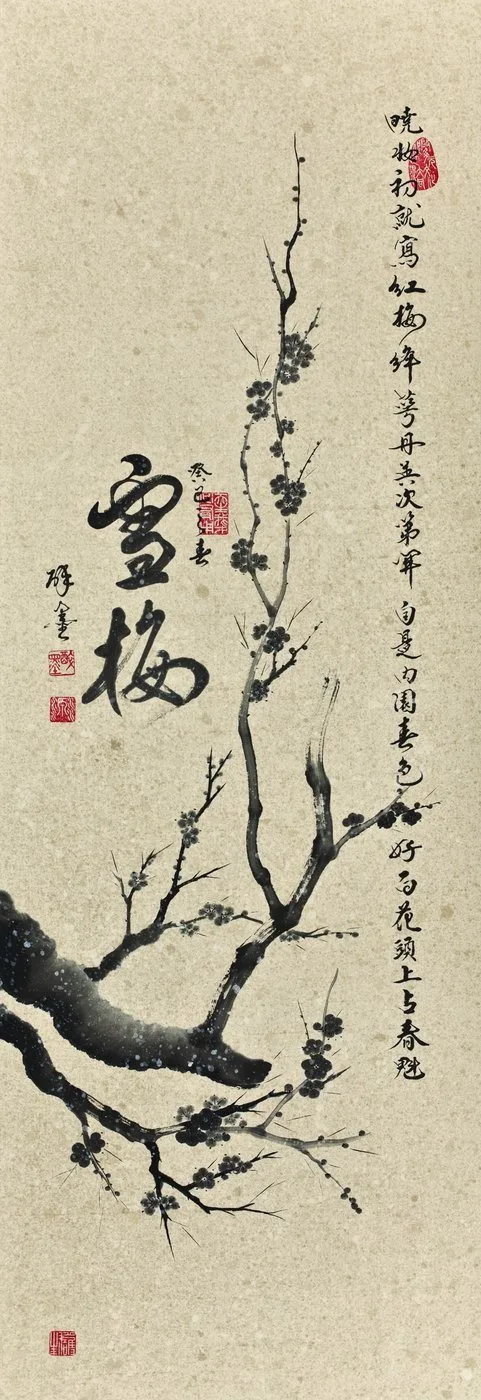
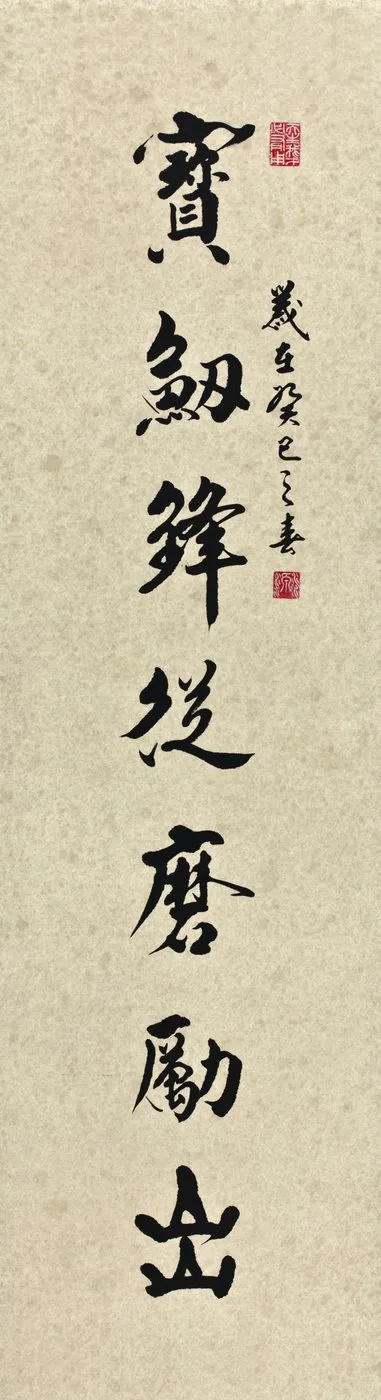
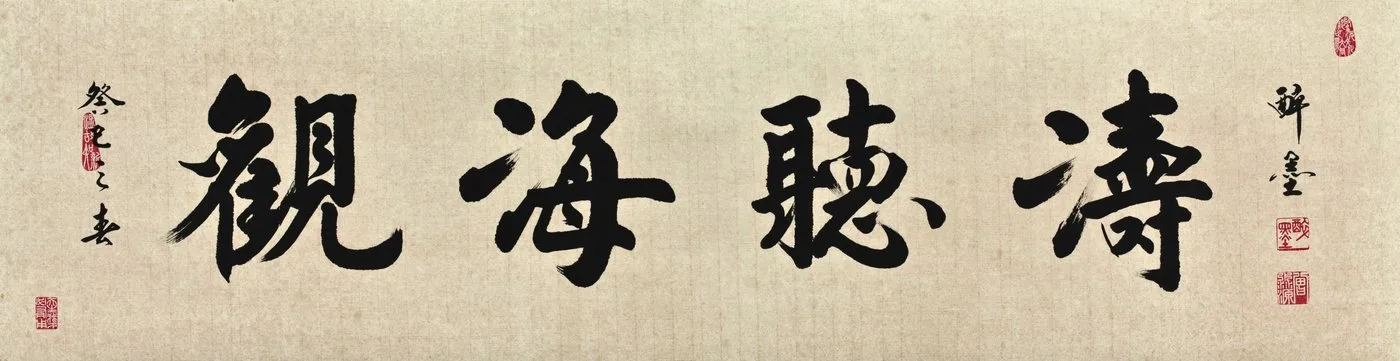
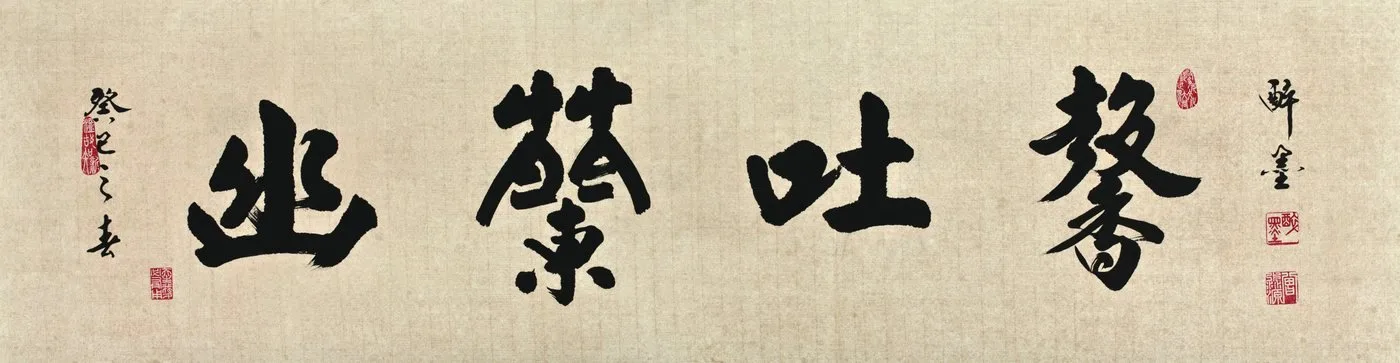
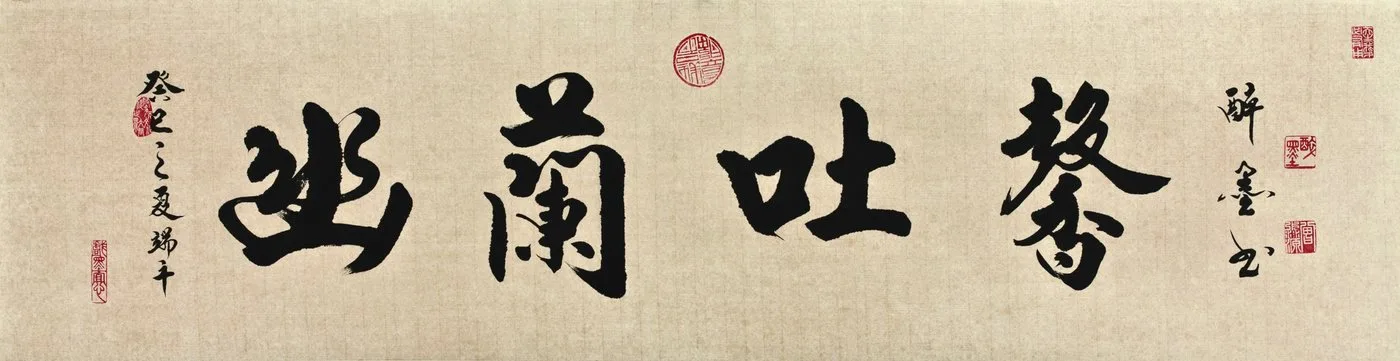
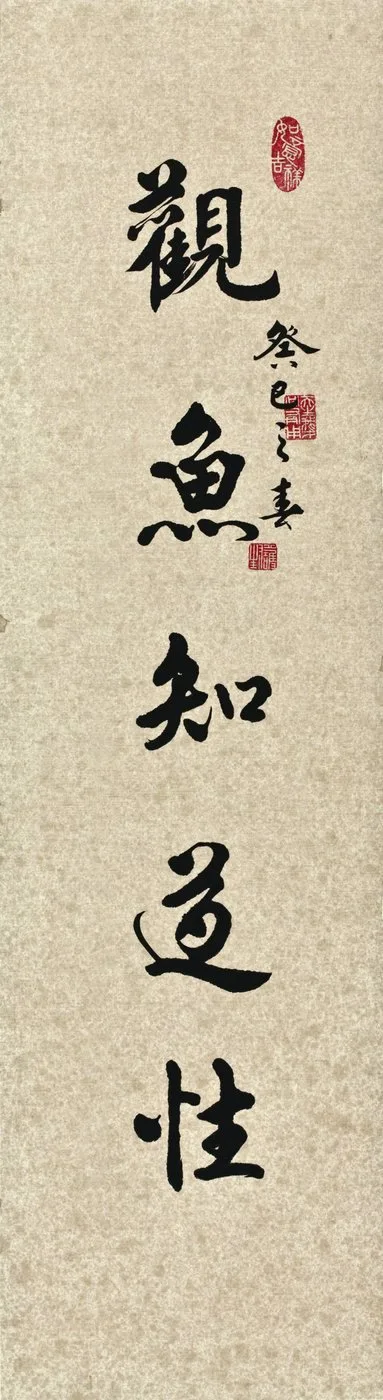
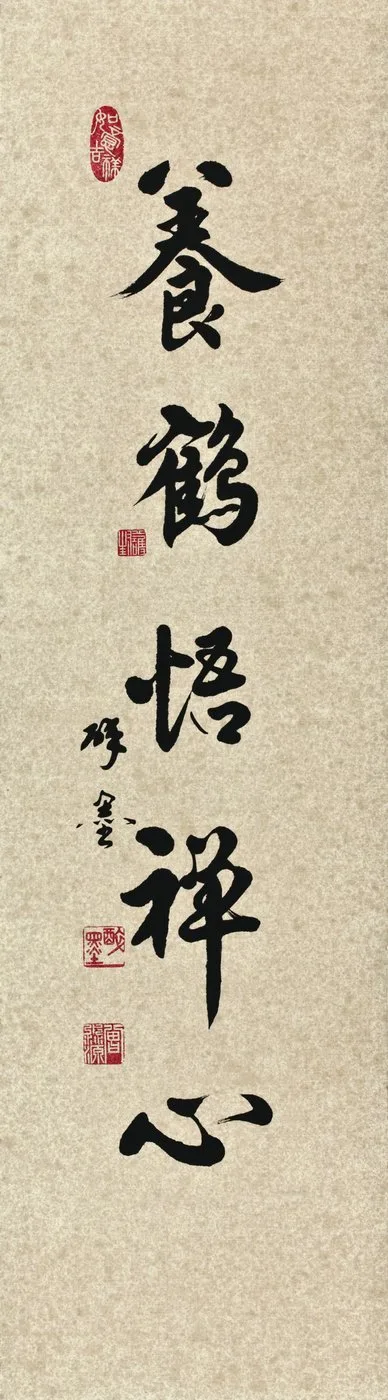
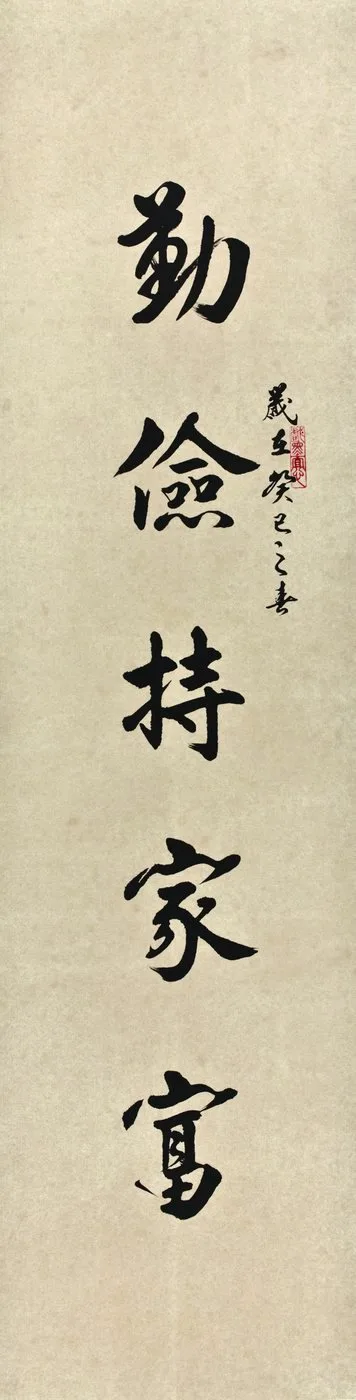
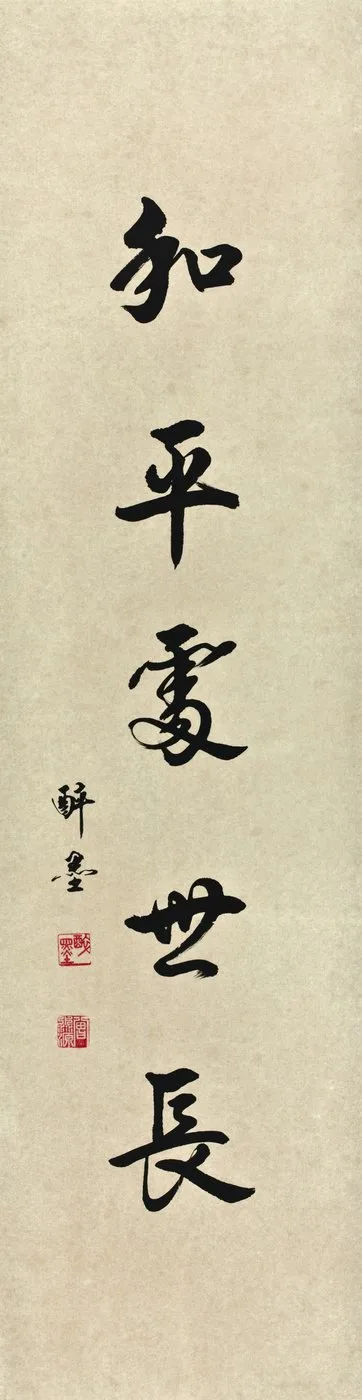
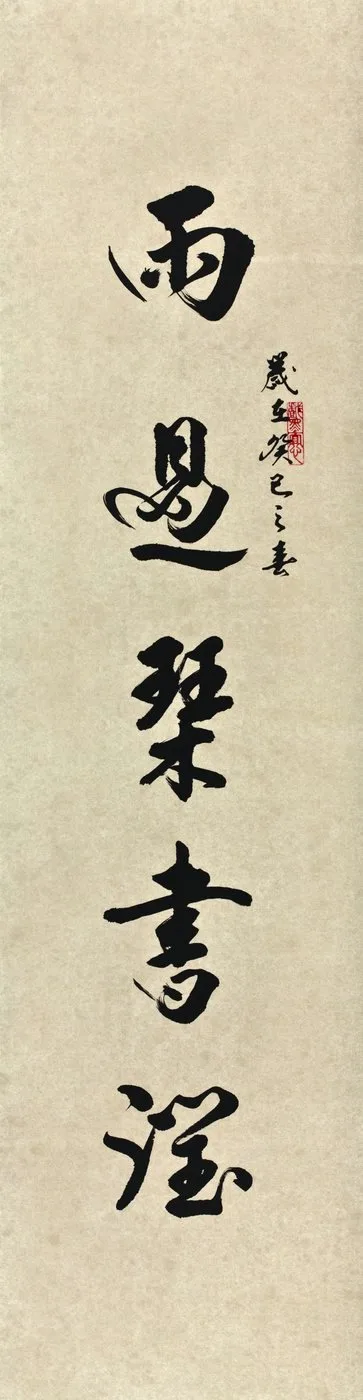
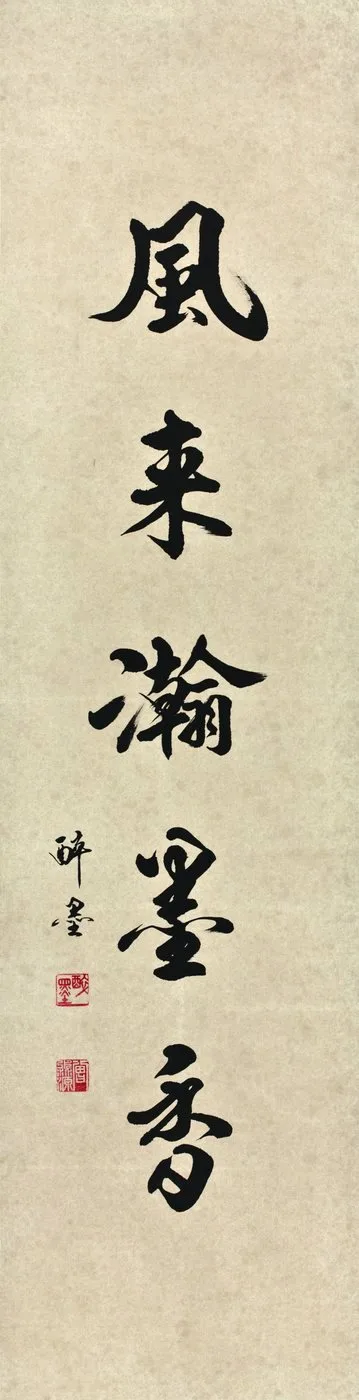
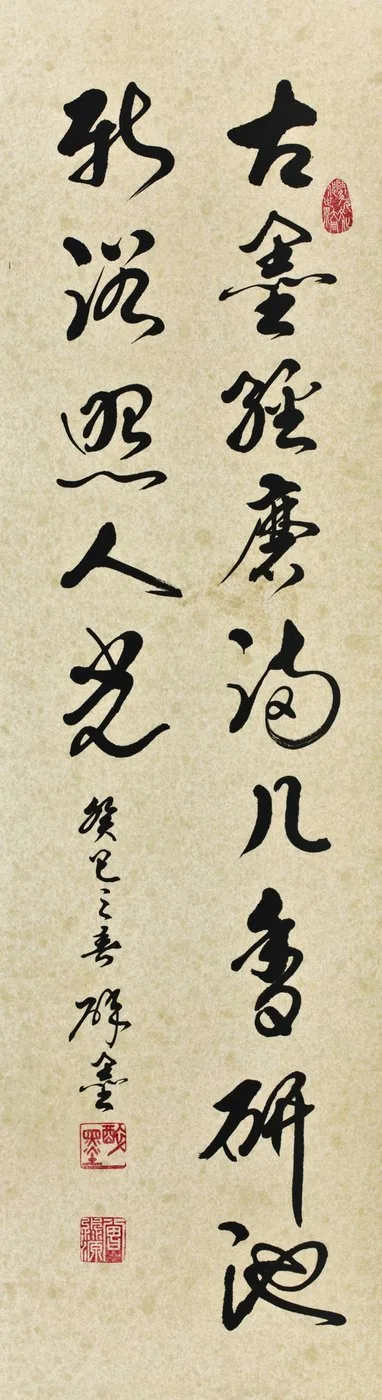
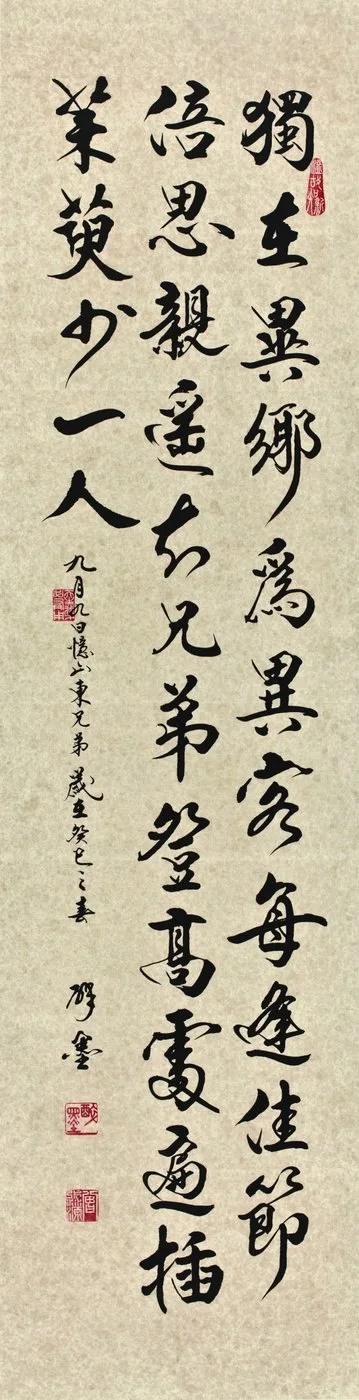
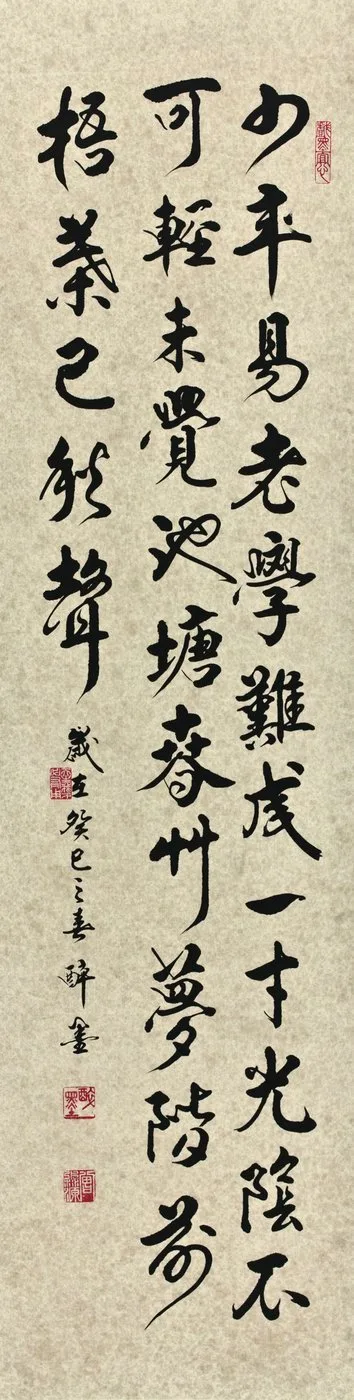
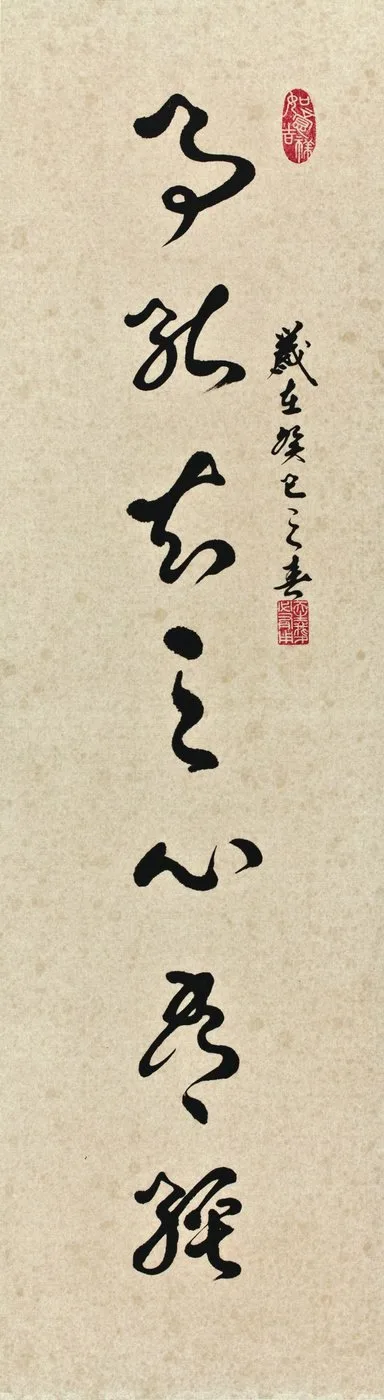
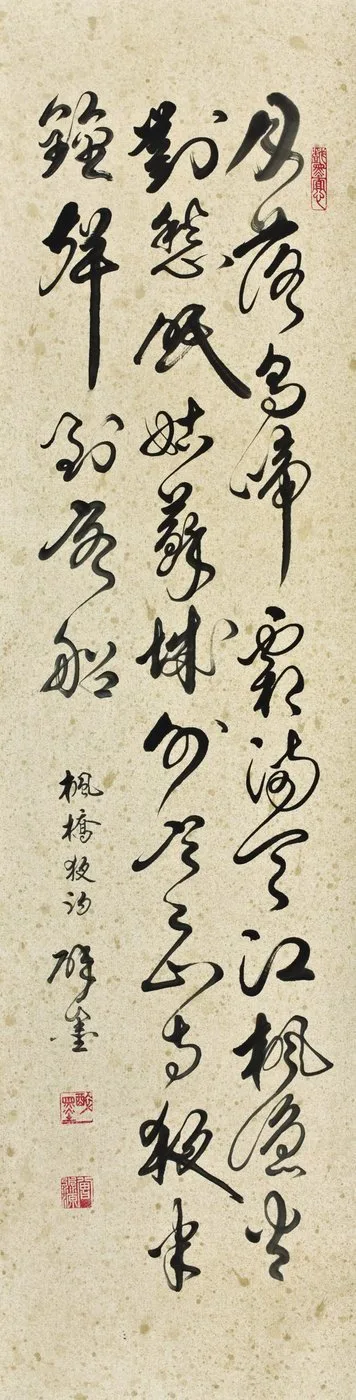
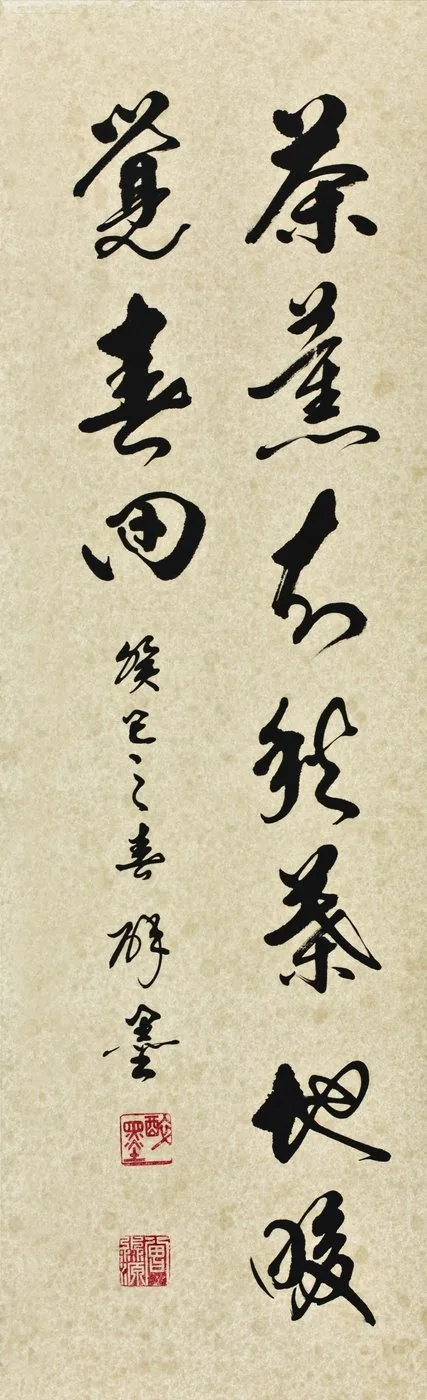
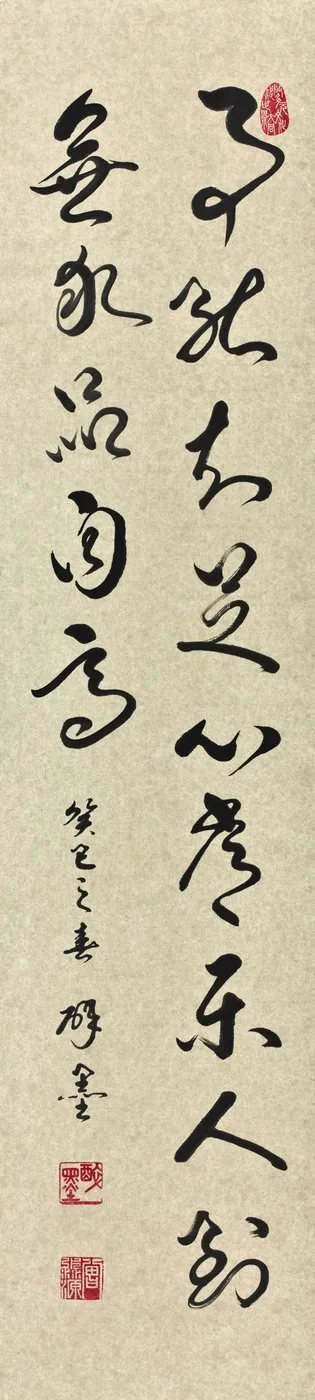
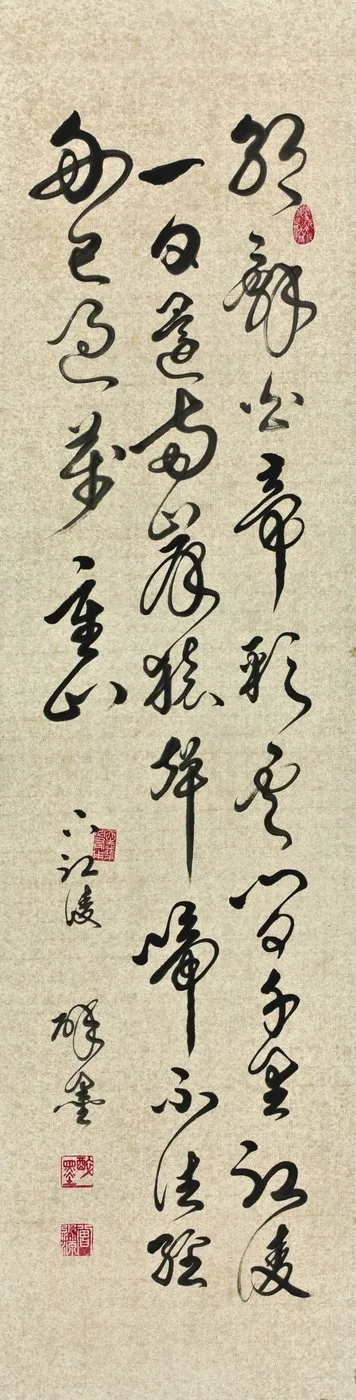
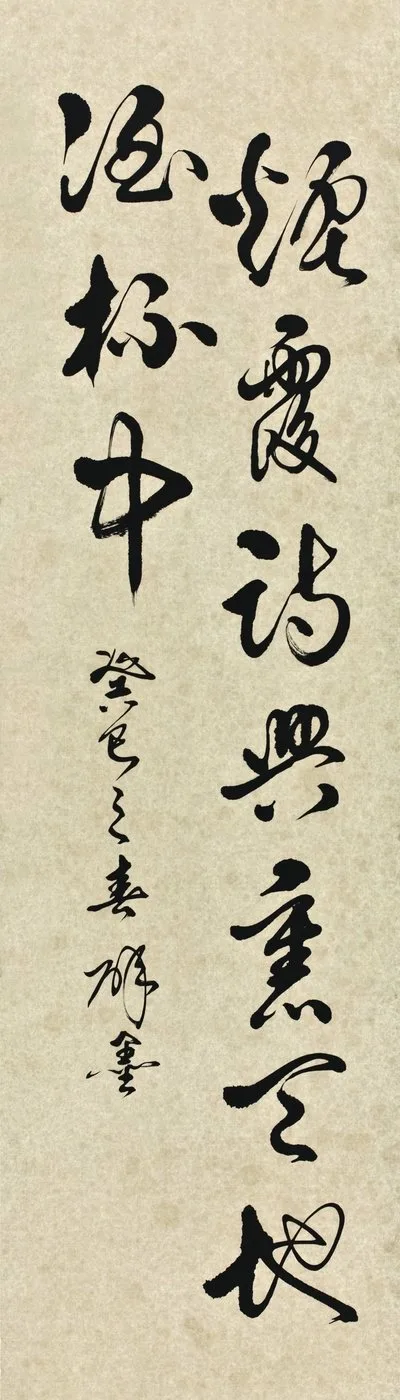
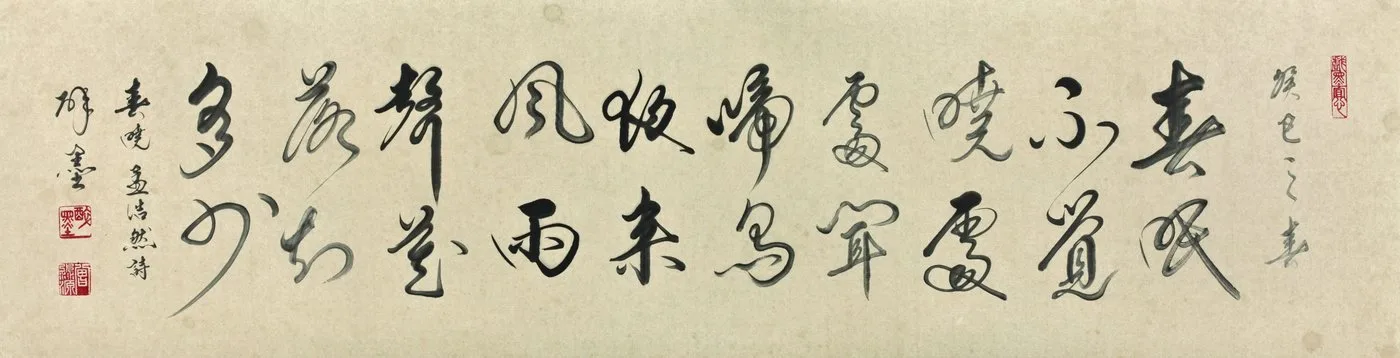
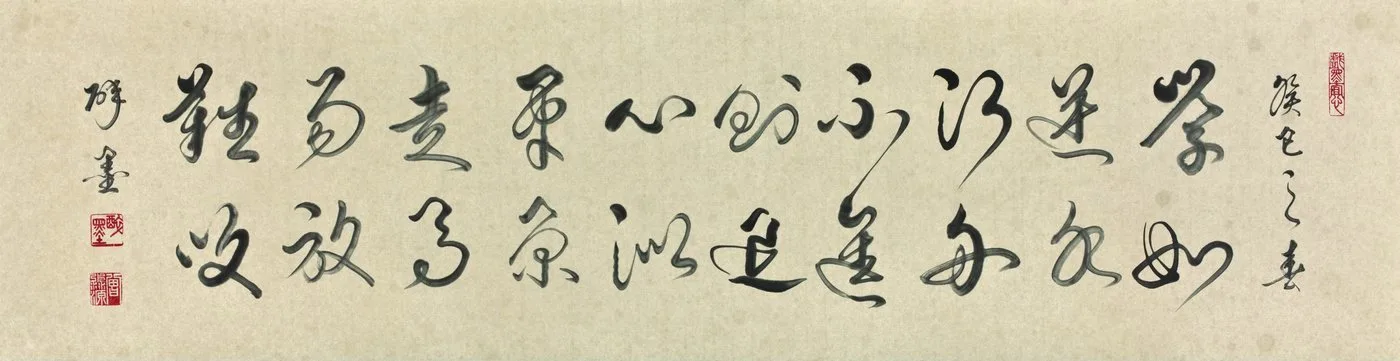
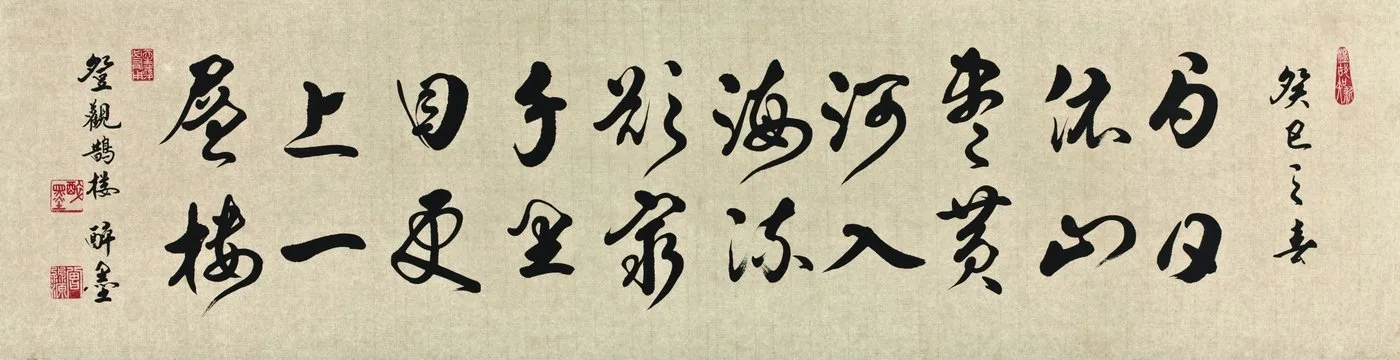
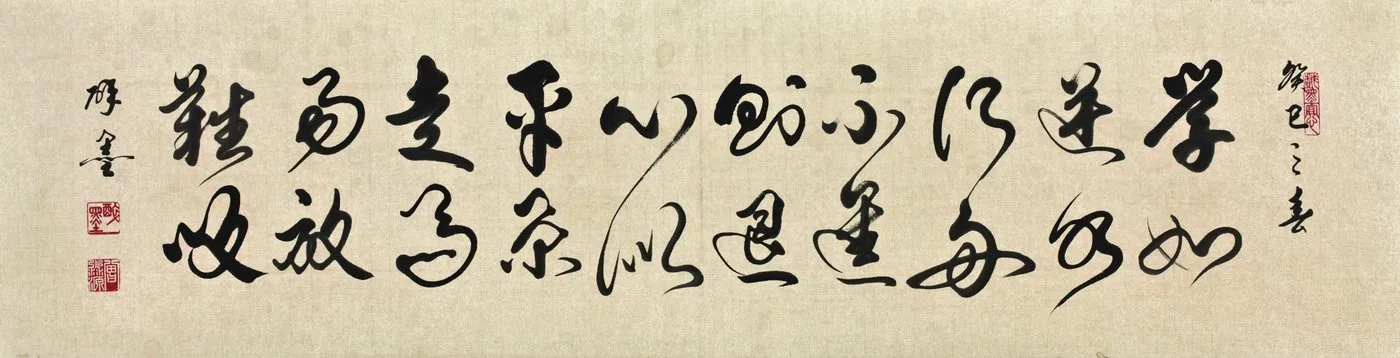
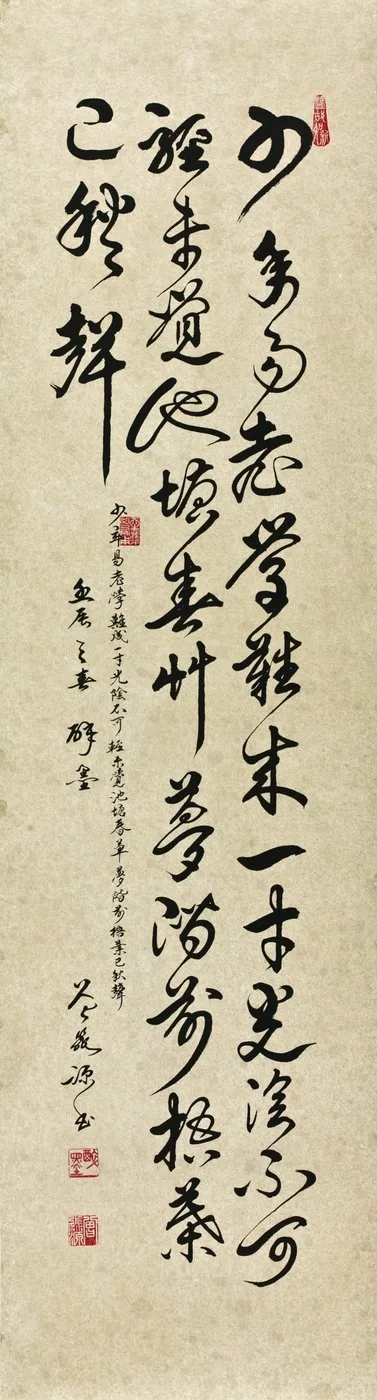
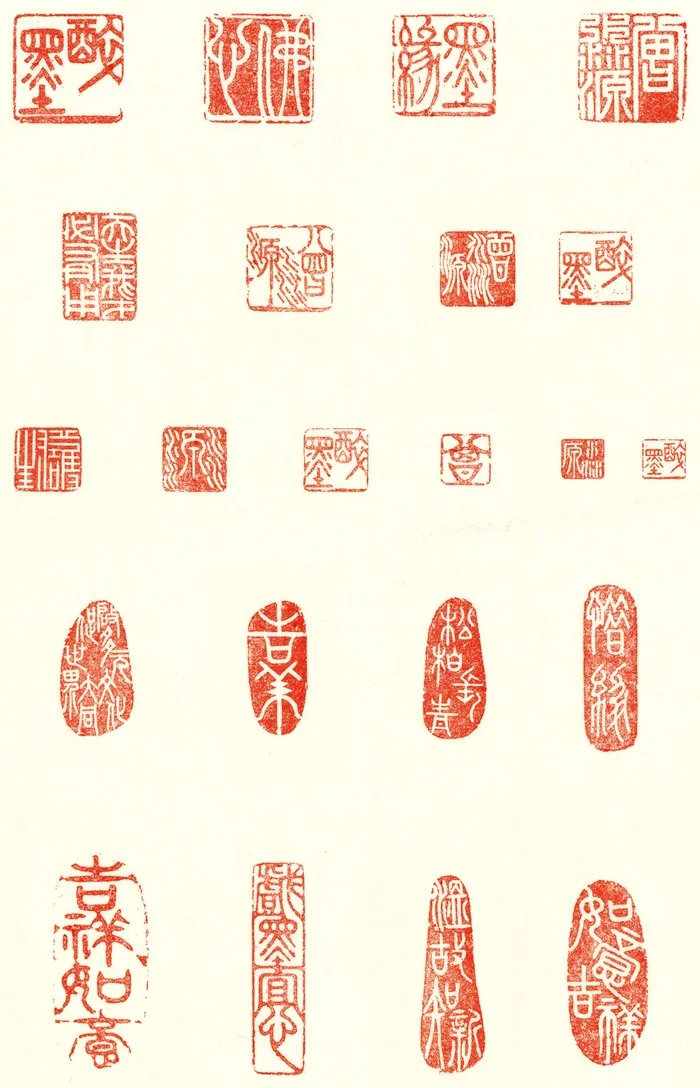
以下作品依《醉墨》書中分類順序排列。